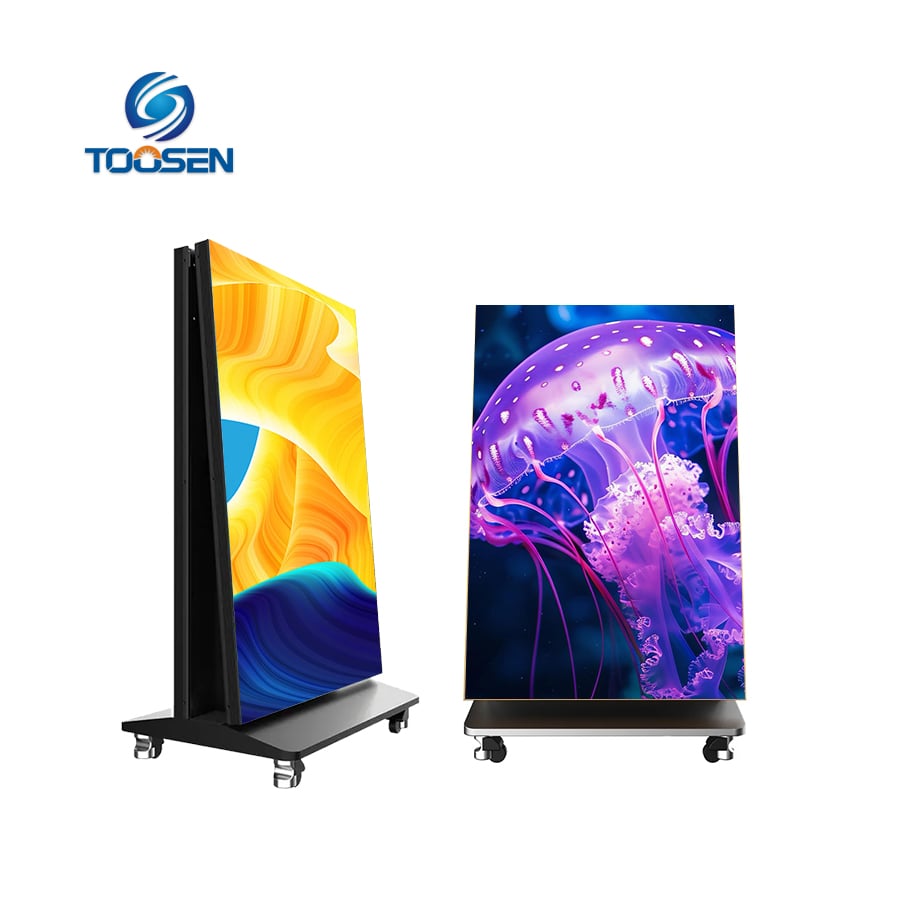
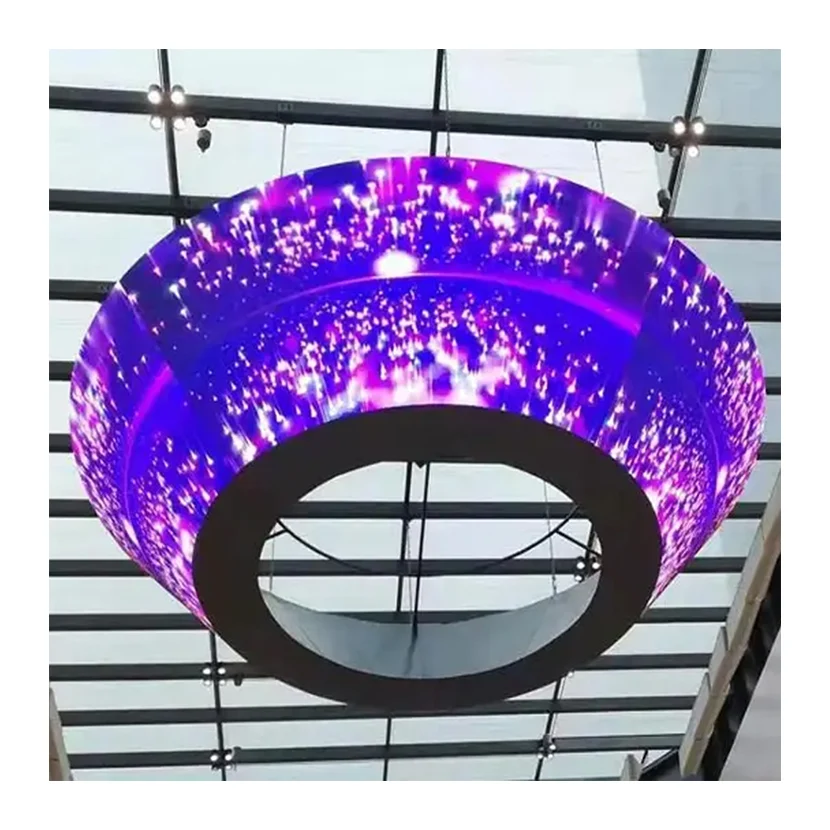
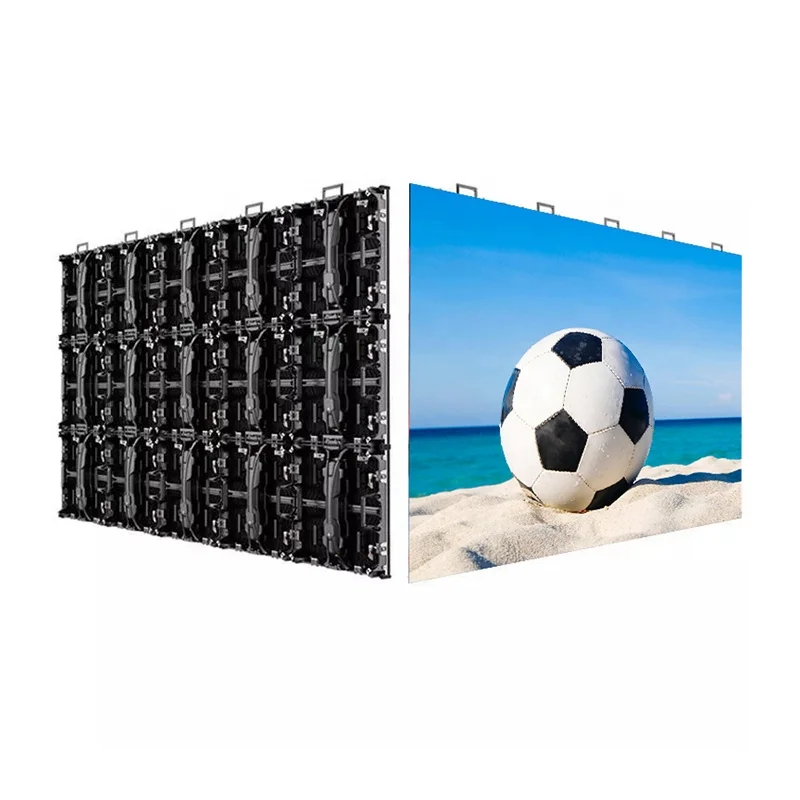
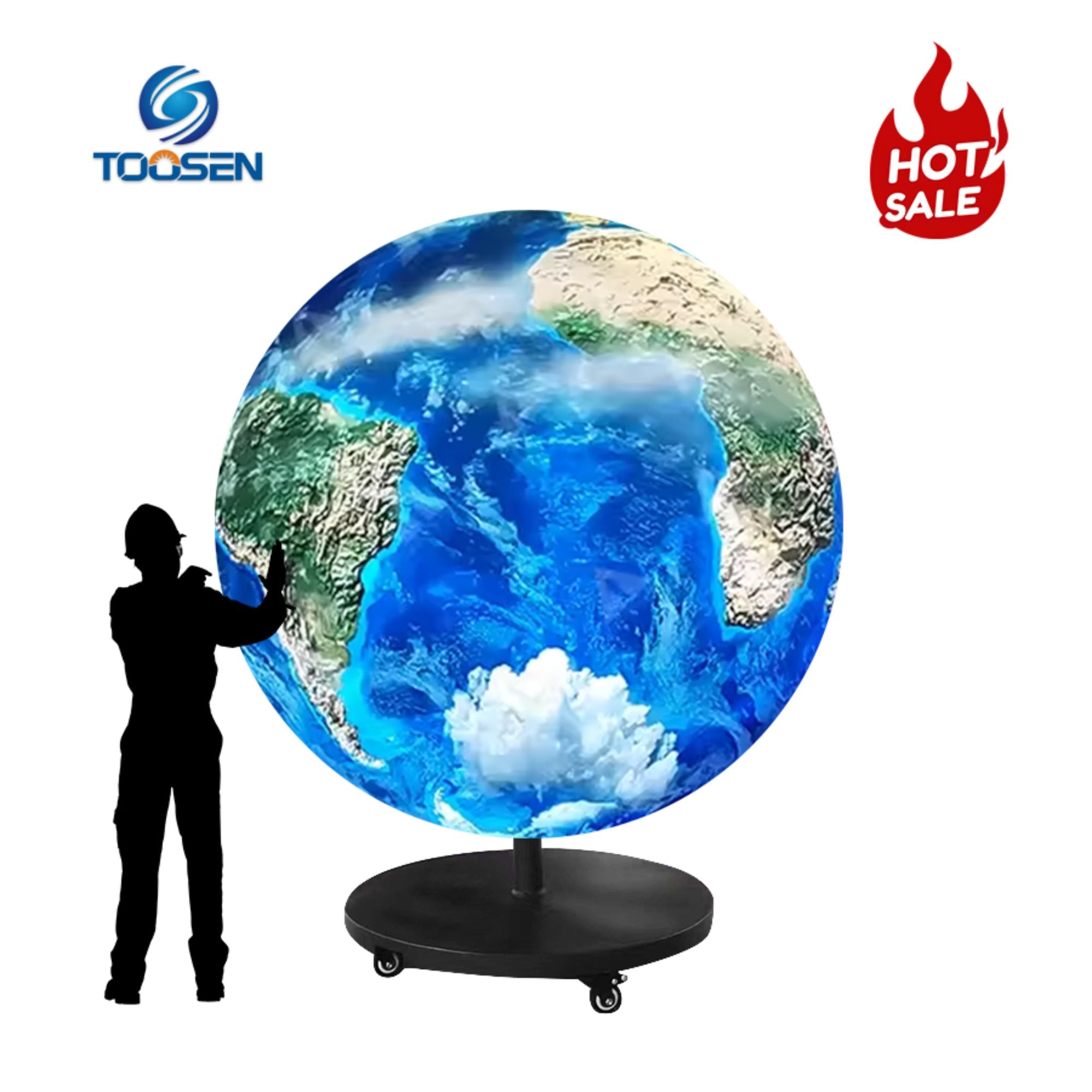
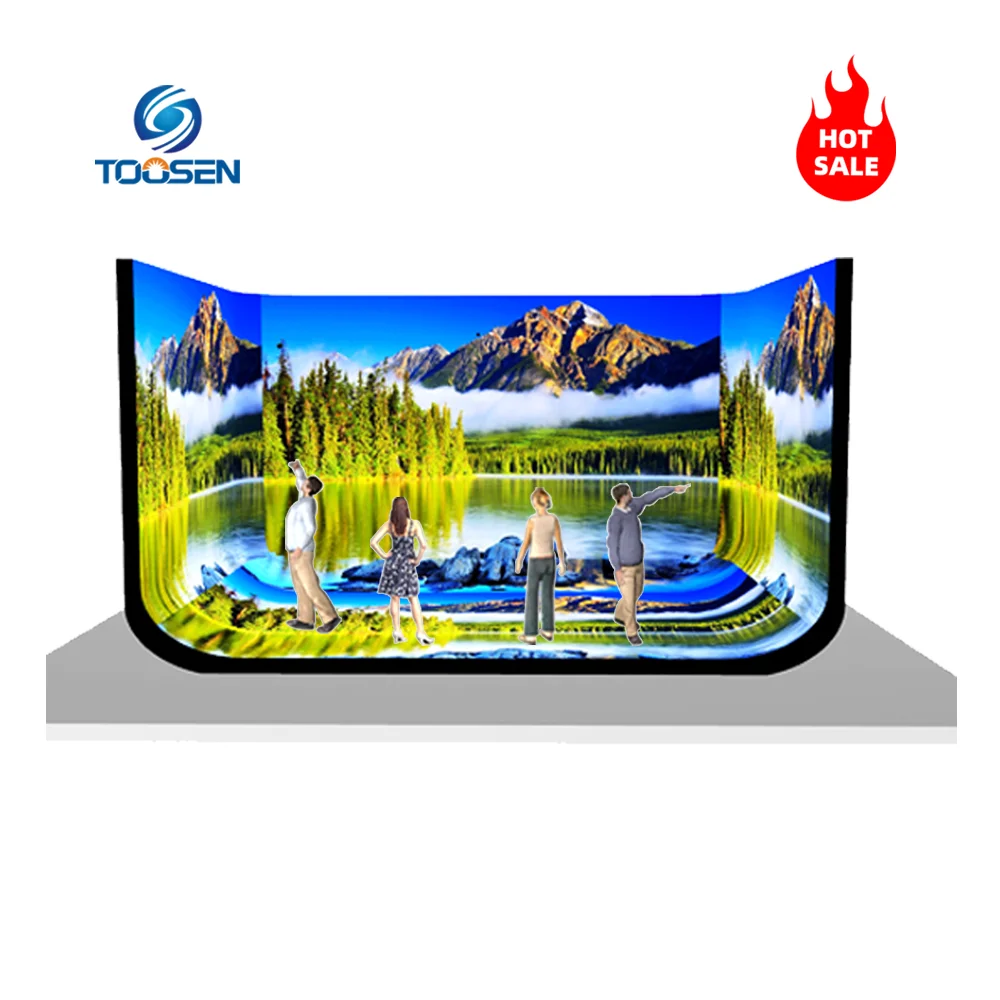
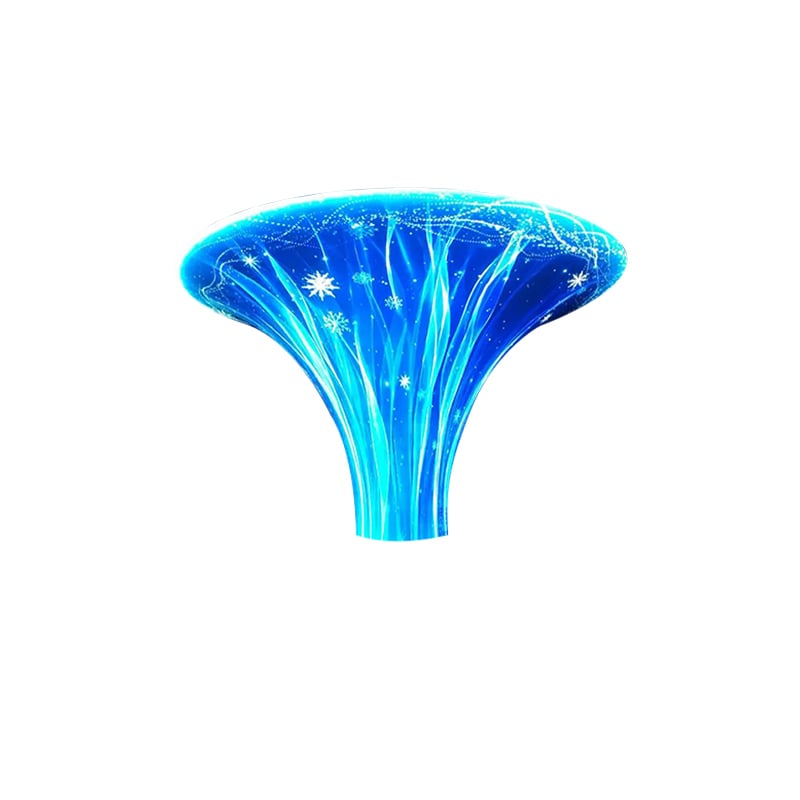
AlED displej ve tvaru láhve vína patří do kategorie kreativních 3D LED obrazovek. Na rozdíl od běžných plochých LED displejů tento typ obrazovky kombinuje nepravidelné konstrukce, flexibilní LED moduly, bezševné zakřivené sestavy a inteligentní řídicí systémy, aby s vysokou přesností znovu vytvořil vzhled skutečné lahve.
Výrobci se při vývoji LED displeje ve tvaru lahve zaměřují hlavně na tři základní oblasti:
Níže jsou uvedeny nejdůležitější technické body stojící za LED obrazovkou ve tvaru láhve vína.
Největší výhodou LED displeje ve tvaru lahve je jeho schopnost téměř dokonale napodobit skutečnou láhev. Proto hraje konstrukční inženýrství v průběhu celého projektu klíčovou roli.
Výrobci obvykle staví vnitřní rám z dutých hliníkových materiálů. Tento návrh zvyšuje pevnost konstrukce a zároveň snižuje celkovou hmotnost. Zároveň hliníková konstrukce umožňuje účinnější odvod tepla.
Výsledkem je, že displej je snazší nainstalovat, bezpečnější přepravovat a stabilnější během dlouhodobého provozu.
Jelikož každá láhev má jiné rozměry a zakřivení, musí inženýři přizpůsobit rozložení tištěného spojovacího obvodu (PCB) podle:
Namísto standardních obdélníkových rozložení navrhují konstruktéři nestandardní pružné struktury tištěných spojovacích obvodů (PCB), které přesně sledují konturu povrchu lahve.
Moderní výrobní techniky umožňují obrazovce reprodukovat detaily lahve s extrémně vysokou přesností. Výrobci mohou přizpůsobit:
Tento přístup dosahuje vizuální přesnosti obnovy vyšší než 99 % a podporuje různé tvary, včetně:
Tradiční tuhé LED skříně nedokáží zpracovat složité zakřivené povrchy, zejména v oblasti hrdla a dna lahve. Výrobci se proto silně spoléhají na flexibilní LED moduly.
Namísto běžných skleněných vláknových tištěných spojovacích desek (PCB) používají flexibilní LED moduly FPC (flexibilní tištěné spojovací desky).
Tyto materiály nabízejí několik výhod:
Díky tomu se LED moduly hladce obalují kolem válcových a kuželovitých konstrukcí.
Výrobci také používají pro přední masky a spodní skříně silikonové nebo gumové materiály.
Tyto materiály poskytují:
Důležitější je, že silikonové materiály pomáhají udržet stabilitu modulů i po opakovaném ohýbání.
Aby se zjednodušila instalace a údržba, jsou moduly vybaveny silnými magnetickými jádry.
Instalatéři mohou moduly přímo upevnit k vlastní ocelové nebo hliníkové konstrukci bez složitých postupů upevňování. Tento magnetický design výrazně zkracuje dobu instalace a zlepšuje servisní přístupnost.
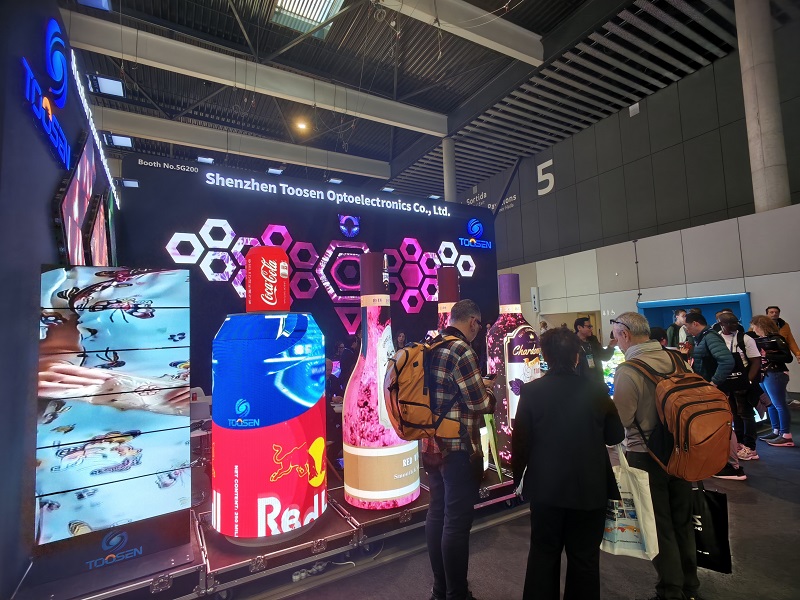
Spojování zakřivených LED displejů zůstává jednou z nejnáročnějších technických výzev u displejů tvaru lahve.
Pokud výrobci nedokáží povrch přesně kontrolovat, může docházet u displeje k:
Aby se těmto problémům předešlo, výrobci používají několik pokročilých technik.
Inženýři kombinují vějířovité, zakřivené a další nestandardní moduly, aby snížili viditelné mezery mezi panely.
Tato metoda vytváří hladší a souvislejší povrch tvaru lahve.
Výrobci používají vlastní systémy zarovnání tištěných spojovacích desek (PCB) a přesné uzamykací konstrukce, aby sousední moduly zůstaly pevně spojeny.
Výsledkem je, že švy zůstávají téměř neviditelné i při pohledu z blízka.
Řídicí systém také hraje zásadní roli.
Pokročilý kalibrační software neustále upravuje spojitost obrazu na nerovnoměrných zakřivených površích. V důsledku toho displej zachovává konzistentní vizuální vjem i tehdy, když se obsah obtáčí kolem lahve.
LED obrazovky ve tvaru lahve určené pro venkovní použití čelí dalším environmentálním výzvám. Výrobci proto musí zlepšit vodotěsnost, odolnost vůči počasí a mechanickou pevnost konstrukce.
Venkovní flexibilní moduly obvykle využívají technologii vyplnění dvoustranné lepicí pásky k utěsnění vnitřních komponent.
Tento proces zabrání:
Výsledkem je stabilní dlouhodobý provoz displeje venku.
Silikonové materiály pro venkovní použití musí odolávat:
V opačném případě se ochranný povrch může v průběhu času zbarvit, ztvrdnout nebo prasknout.
Ačkoli flexibilní moduly zlepšují přizpůsobivost tvaru, displej stále vyžaduje vysokou odolnost proti nárazu a opotřebení srovnatelnou s tradičními tuhými LED displeji.
Výrobci proto musí pečlivě vyvážit flexibilitu a konstrukční pevnost.
Samotná konstrukce displeje nestačí k vytvoření pohlcujícího zážitku. Stejně důležité jsou přizpůsobení obsahu a inteligentní řídicí systémy.
Většina LED displejů ve tvaru lahve využívá válcové nebo poloválcové konstrukce. Řídicí systém proto musí podporovat bezproblémovou přehrávku obsahu ve 360 stupních.
Diváci by měli vidět z jakéhokoli úhlu kompletní a soudržný obraz.
Výrobci často kombinují displej s technologií 3D modelování.
To umožňuje značkám prezentovat:
Zakřivený povrch zvyšuje vnímání hloubky a vytváří více imersivní vizuální zážitek.
Pokročilé distribuované skenovací systémy umožňují řízení jednotlivých LED diod bod po bodu na zakřivených površích.
Tato technologie zlepšuje:
I u rotujících nebo nepravidelných konstrukcí displej zachovává stabilní vizuální kvalitu.
Klíčovou technologii za LED displejem ve tvaru láhve na víno lze shrnout jednou větou:
„Flexibilní moduly řeší výzvu tvaru, přizpůsobené konstrukce řeší výzvu přesnosti a inteligentní řídicí systémy řeší výzvu zobrazení.“
Ve srovnání s tradičními plochými LED obrazovkami vyžadují LED displeje ve tvaru láhve:
Avšak zároveň poskytují mnohem silnější vizuální dopad. Pro obchodní prostory, značky lihovin, výstavy a prostředí imersivního marketingu tyto kreativní LED instalace nabízejí jedinečnou kombinaci technologie, značkování a umělecké prezentace.
 EN
EN
 AR
AR
 BG
BG HR
HR
 CS
CS
 DA
DA
 NL
NL
 FI
FI FR
FR
 DE
DE EL
EL
 HI
HI
 IT
IT JA
JA
 KO
KO
 NO
NO PL
PL PT
PT RO
RO
 RU
RU
 ES
ES
 SV
SV
 TL
TL
 ID
ID
 SR
SR
 UK
UK VI
VI
 ET
ET
 HU
HU
 TH
TH
 TR
TR
 FA
FA
 AF
AF
 MS
MS
 GA
GA
 HY
HY
 AZ
AZ
 MN
MN
 UZ
UZ