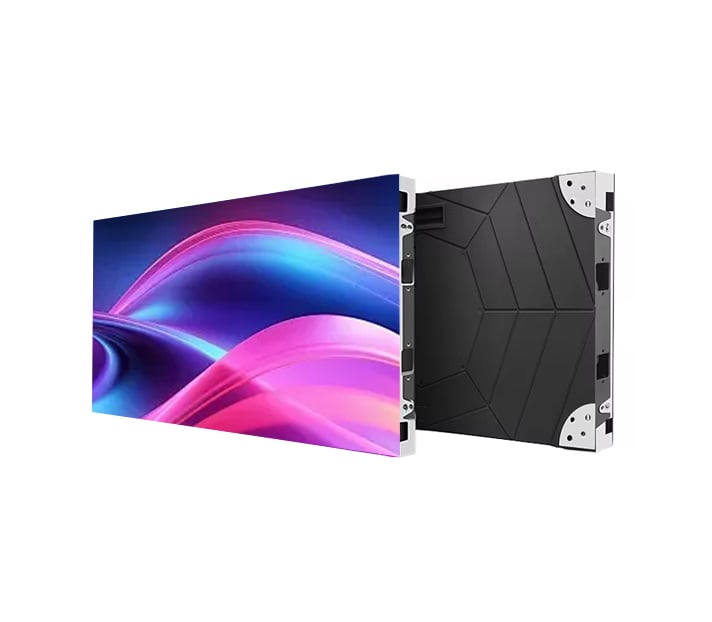
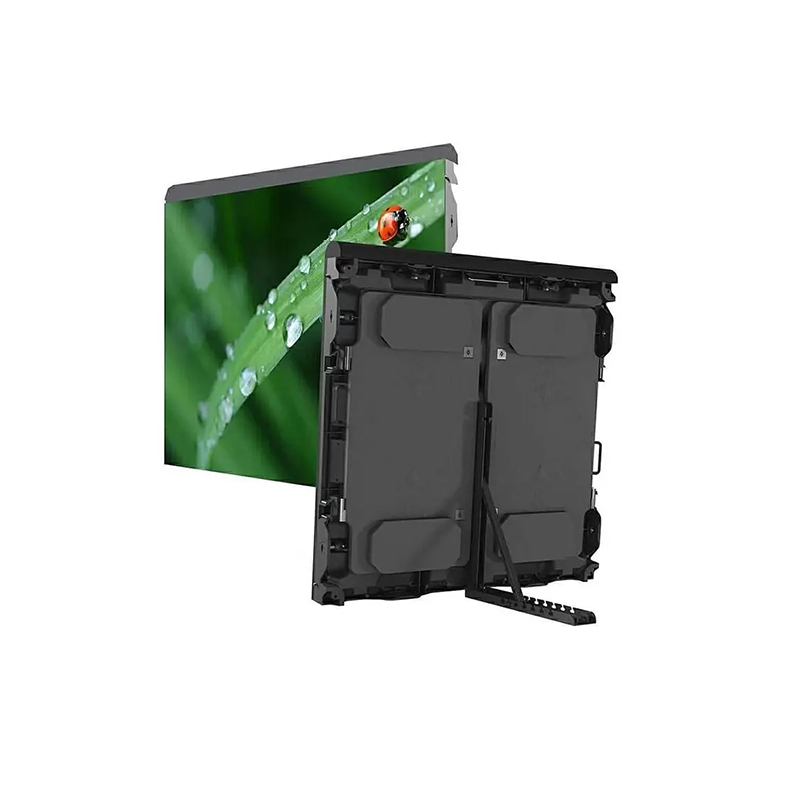
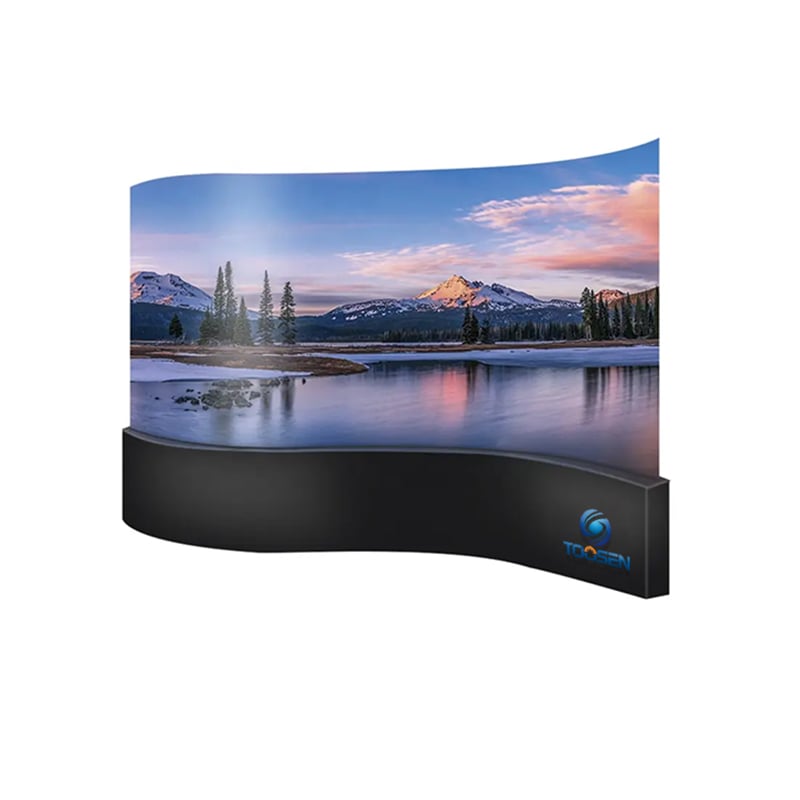
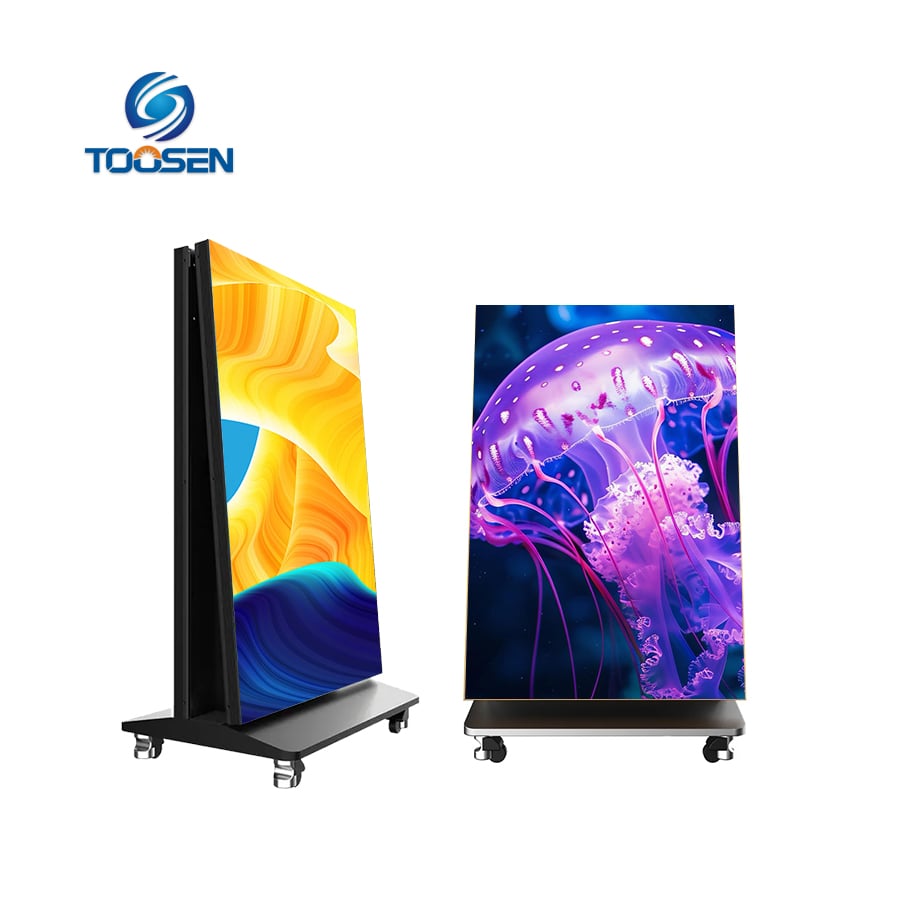
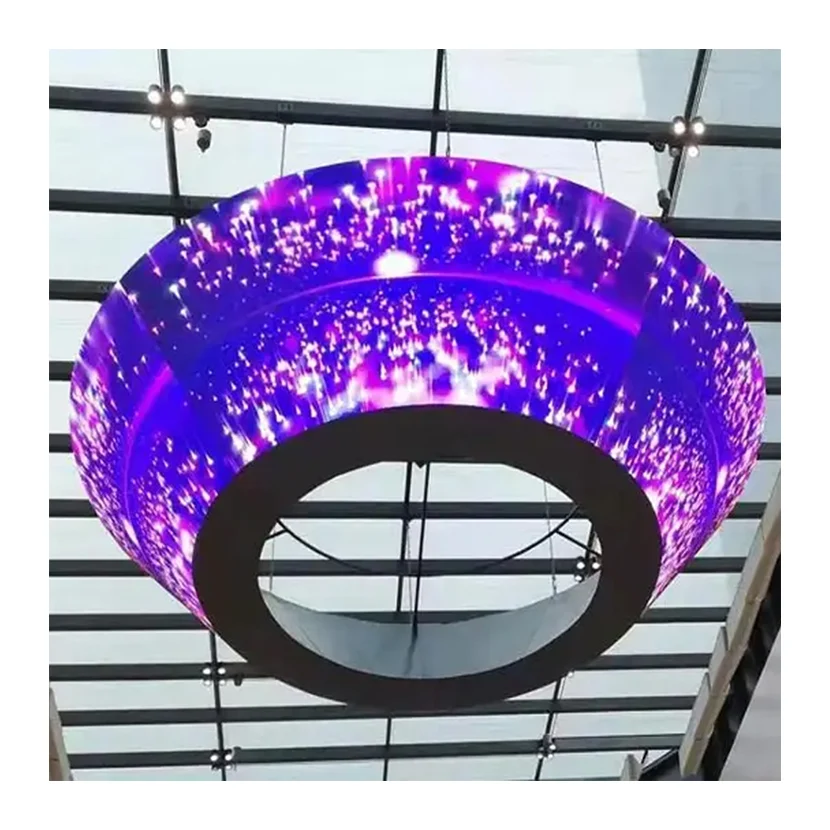
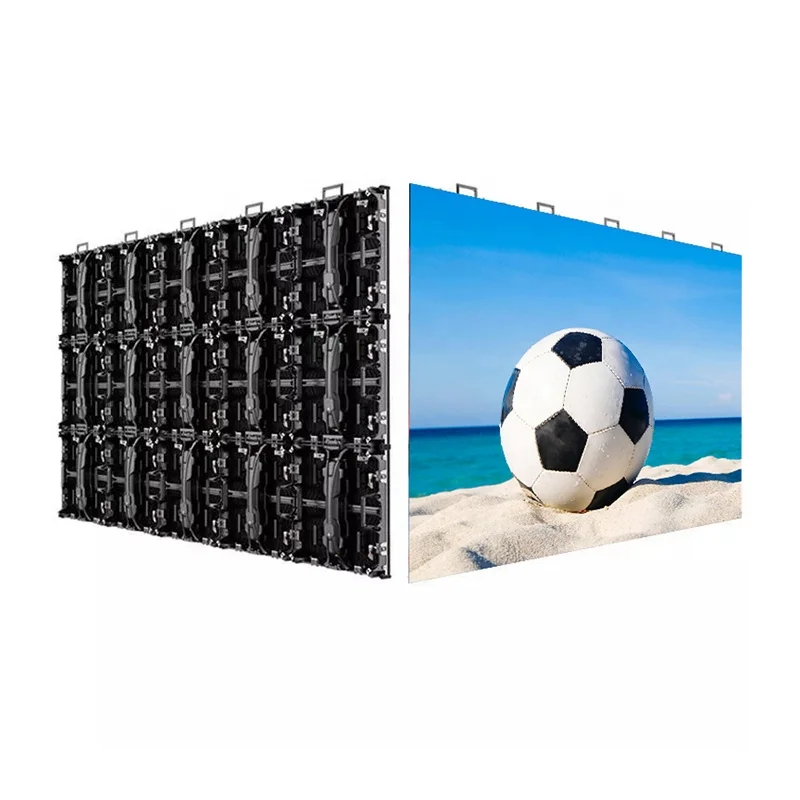
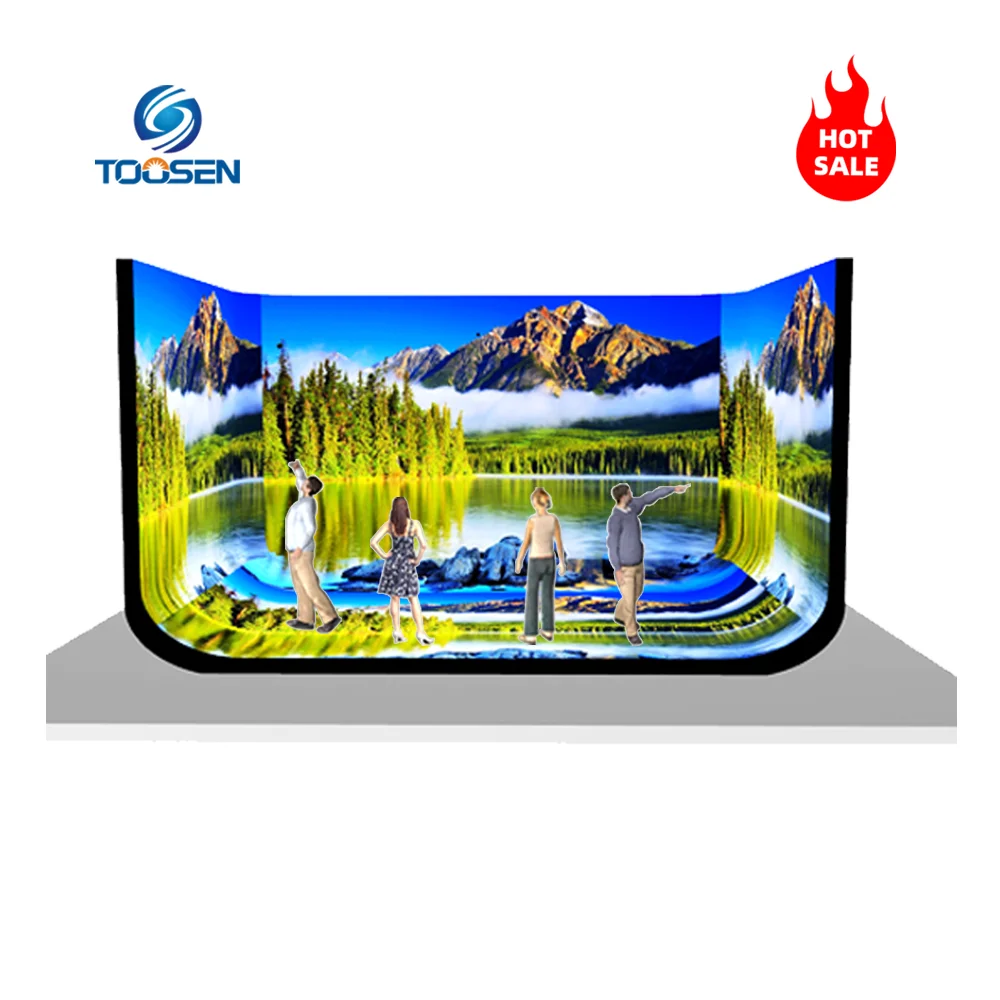
Когато хората оценяват една LED дисплей , те често се фокусират върху разстоянието между пикселите, яркостта или честотата на обновяване. Всъщност един критически компонент често остава незабелязан: LED-кабинетът. На практика кабинетът служи като структурен скелет на цялата система от екрани. Той свързва LED-модулите, захранващите блокове, приемните карти и вътрешната електропроводка в един обединен модул.
По-важно е, че кабинетът директно влияе върху ефективността на инсталацията, равнинността на екрана, водонепроницаемостта, отводняването на топлината, експлоатационния живот и удобството при поддръжка. Ако изберете неподходящ кабинет, дори висококачествените LED-модули не могат да осигурят стабилна работа.
LED кабинетът е шасито, което побира и поддържа всички основни компоненти на LED дисплея. Той осигурява структурна цялост и същевременно позволява прецизно подравняване между панелите.
Поради това добре проектиран кабинет прави повече от това просто да държи частите заедно — той активно подобрява производителността на дисплея и дългосрочната му надеждност.
Вътрешните кабинети обикновено използват алуминиеви профили или лити от алуминий кабинети. Тези материали позволяват на производителите да постигнат висока прецизност, като запазват конструкцията лека и слаба.
В резултат на това вътрешните кабинети осигуряват:
Обикновено ги срещате в:
Външните кабинети трябва да издържат сурови условия. Затова производителите използват алуминий, произведен чрез леене под налягане, или ламарина, за да повишат издръжливостта и защитата.
Тези кабинети предлагат:
В повечето случаи те отговарят на следните изисквания:
Те се използват широко за:
Кабинетите за аренда се фокусират върху скорост и ефективност. Компаниите за организиране на събития трябва бързо да монтират и демонтират екрани, често при тесни графици.
Затова тези кабинети разполагат с:
Те са най-подходящи за:
 EN
EN
 AR
AR
 BG
BG HR
HR
 CS
CS
 DA
DA
 NL
NL
 FI
FI FR
FR
 DE
DE EL
EL
 HI
HI
 IT
IT JA
JA
 KO
KO
 NO
NO PL
PL PT
PT RO
RO
 RU
RU
 ES
ES
 SV
SV
 TL
TL
 ID
ID
 SR
SR
 UK
UK VI
VI
 ET
ET
 HU
HU
 TH
TH
 TR
TR
 FA
FA
 AF
AF
 MS
MS
 GA
GA
 HY
HY
 AZ
AZ
 MN
MN
 UZ
UZ