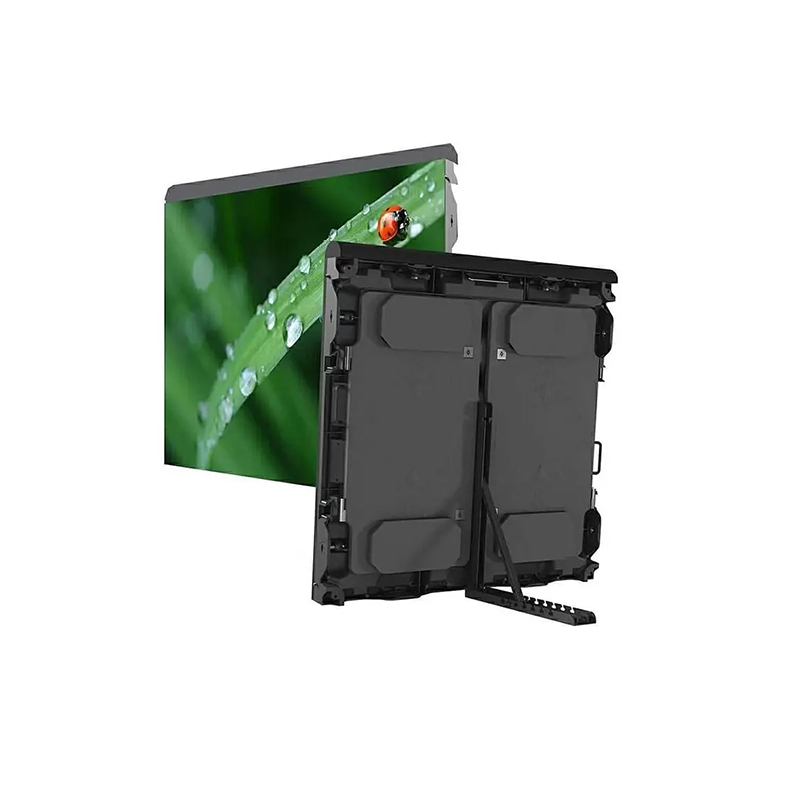
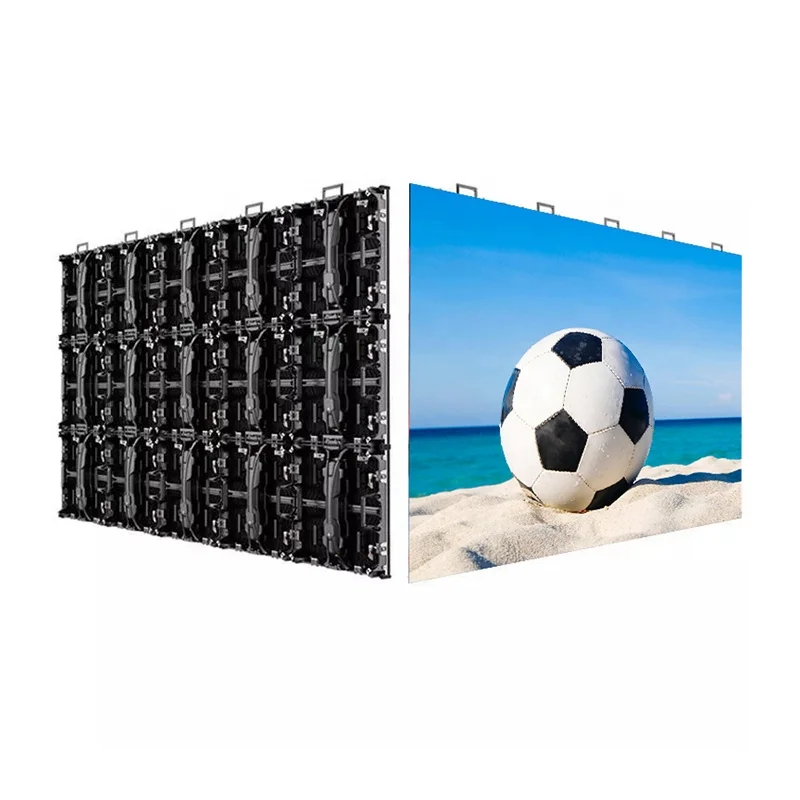
Bir bar və ya gecə klubu üçün doğru LED ekran qurğusunu seçmək bir neçə praktik amildən asılıdır — baxış məsafəsi, quraşdırma mövqeyi, kontent üslubu və ətraf mühit şəraiti . Ofis mühitindən fərqli olaraq, klublar dinamik və qeyri-müəyyəndir. İnsanlar daim hərəkət edir, işıqlandırma sürətlə dəyişir, içkilər tökülür və ekransızlar idman tədbirləri, DJ kontenti və canlı effektlər kimi sürətli hərəkət edən vizualları təmin etməlidir.
Aşağıda barlar və klublarda ən çox istifadə olunan LED ekran konfiqurasiyaları və onların real dünya şəraitində necə işlədiyi göstərilir.
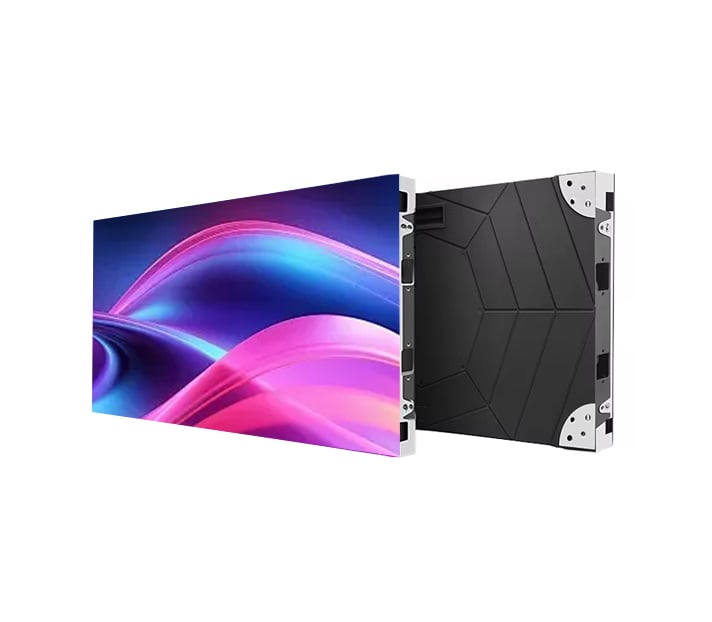
Daxili LED video divarlar əsas bəzədici divarlar, idman izləmə zonaları, VIP otaqlar və arxa bar ekranları üçün ən yaxşı iş görür . Onlar pərdəsiz vizuallar təmin edir və böyük sahələr üçün asanlıqla miqyaslandırıla bilir. Seçimləri qiymətləndirərkən bunların necə işlədiyini başa düşmək faydalıdır piksel aralığı, parlaqlıq səviyyələri və optimal baxış məsafəsi qərar qəbul etməzdən əvvəl.
Sahə LED ekranları Dj-lər, ifaçılar və ya aparıcıların arxasında yerləşir və tez-tez tədbir mekanının vizual mərkəzi olurlar. Bu displeylər işıq sistemləri və musiqi ilə sinxronlaşır və VJ döngüləri, brendinq, tədbir mövzuları və hərəkətli qrafika göstərir ki, bu da ifa atmosferini yüksəldir.
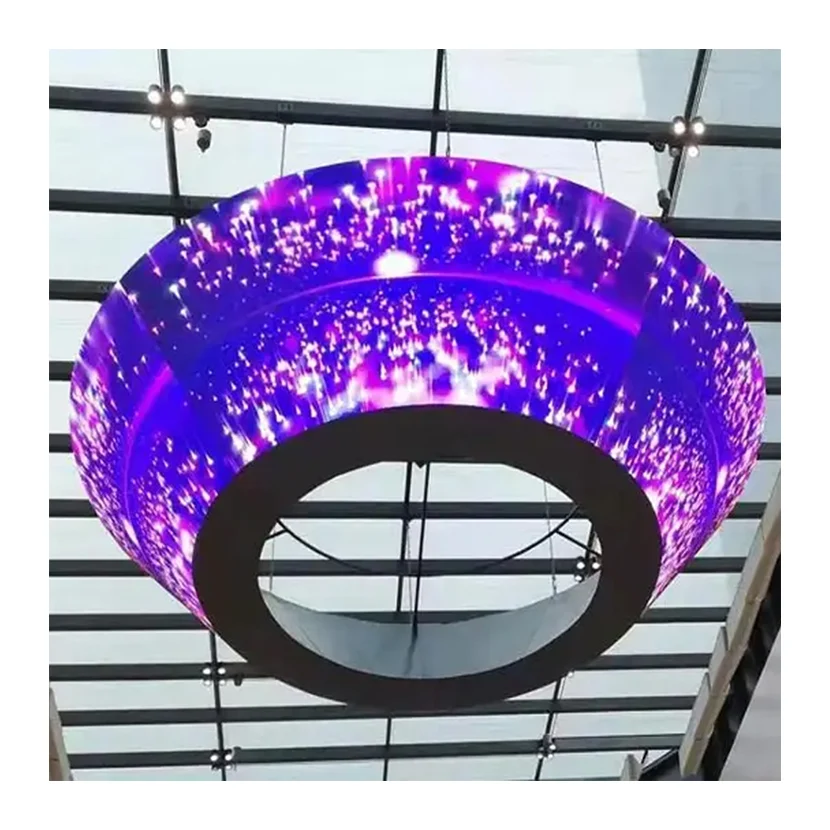
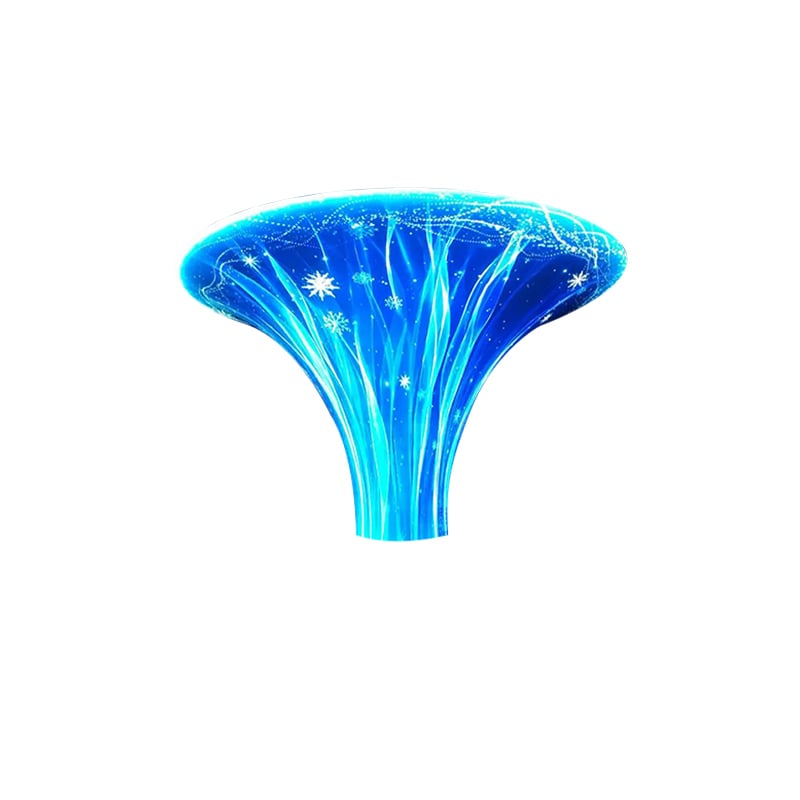
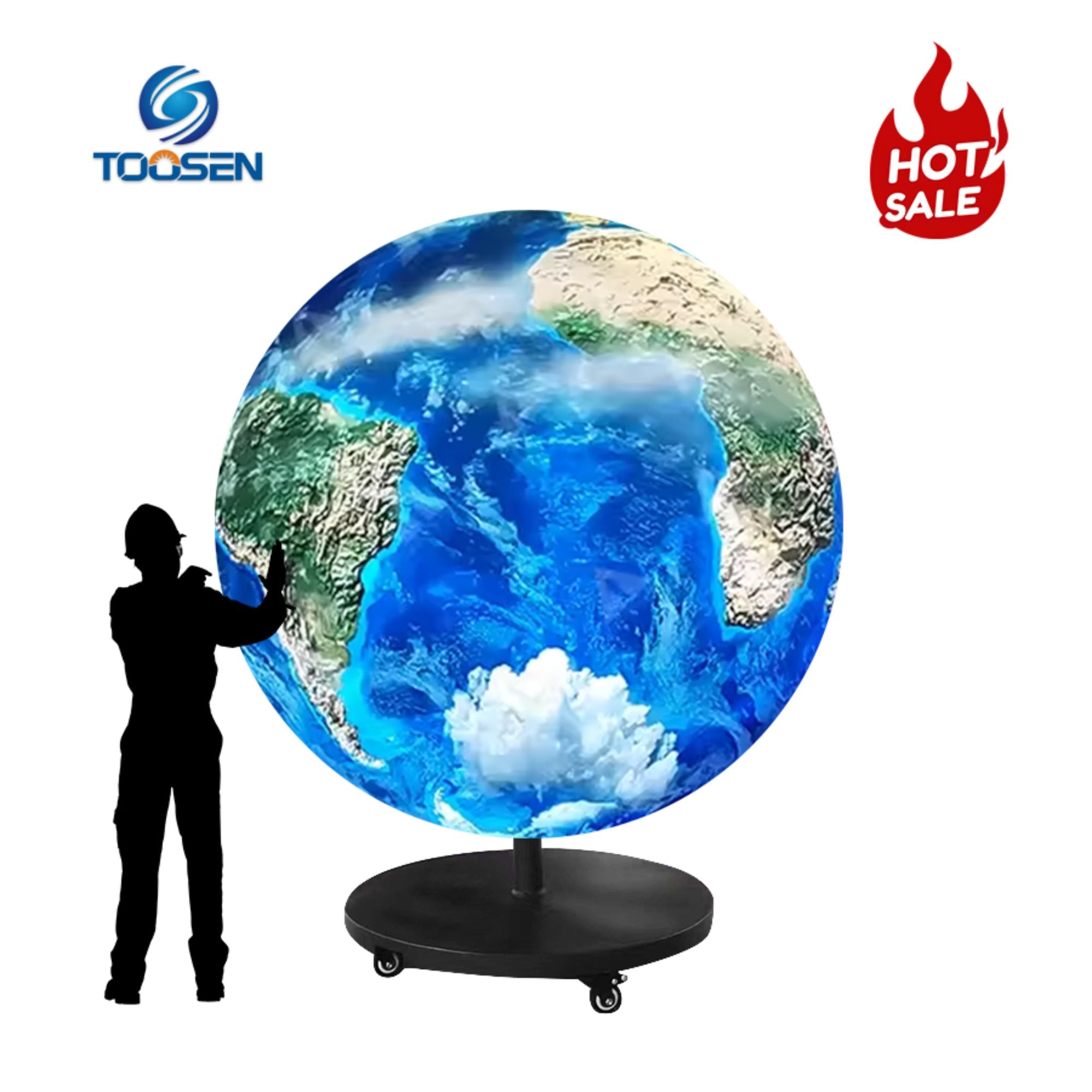
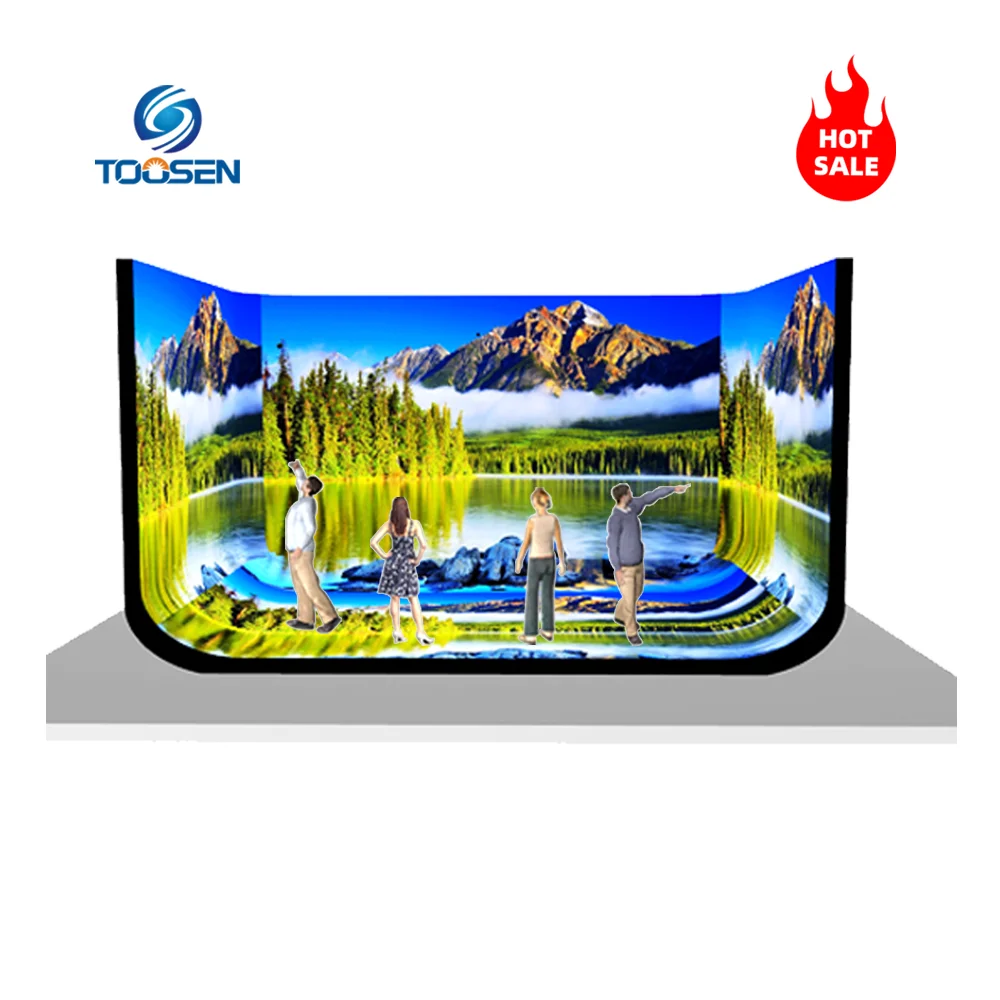
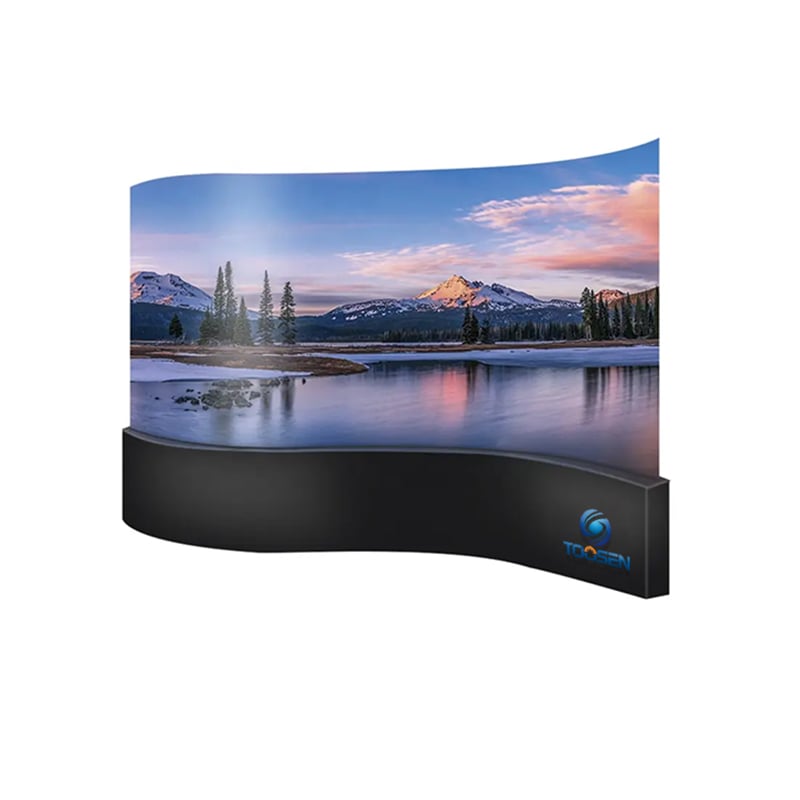
Yüngül LED panellər əyri divarlara, kolonnlara və dairəvi bar strukturlarına quraşdırılmasına imkan verir. Dizaynerlər onlardan standart düz ekranların əldə edə bilmədiyi immersiv layotlar yaratmaq üçün istifadə edirlər.
GOB (lövhəyə yapışdırılan) LED ekranları əlavə qoruma təmin edir və buna görə də yüksək təmas sahələrində istifadəsi üçün idealdir. Onlar təsir, rütubət və toz qarşısını alır, bu da təsadüfi təmasların tez-tez baş verdiyi gürültülü bar mühitlərində çox vacibdir.
Şəffaf LED ekranlar adətən şüşə divarlarda, pəncərələrdə və ya girişlərdə quraşdırılır. Onlar eyni zamanda səthdən keçən görünüşü saxlayaraq məzmunu göstərir və beləliklə, vitrin estetikası və brendinq üçün faydalıdır.
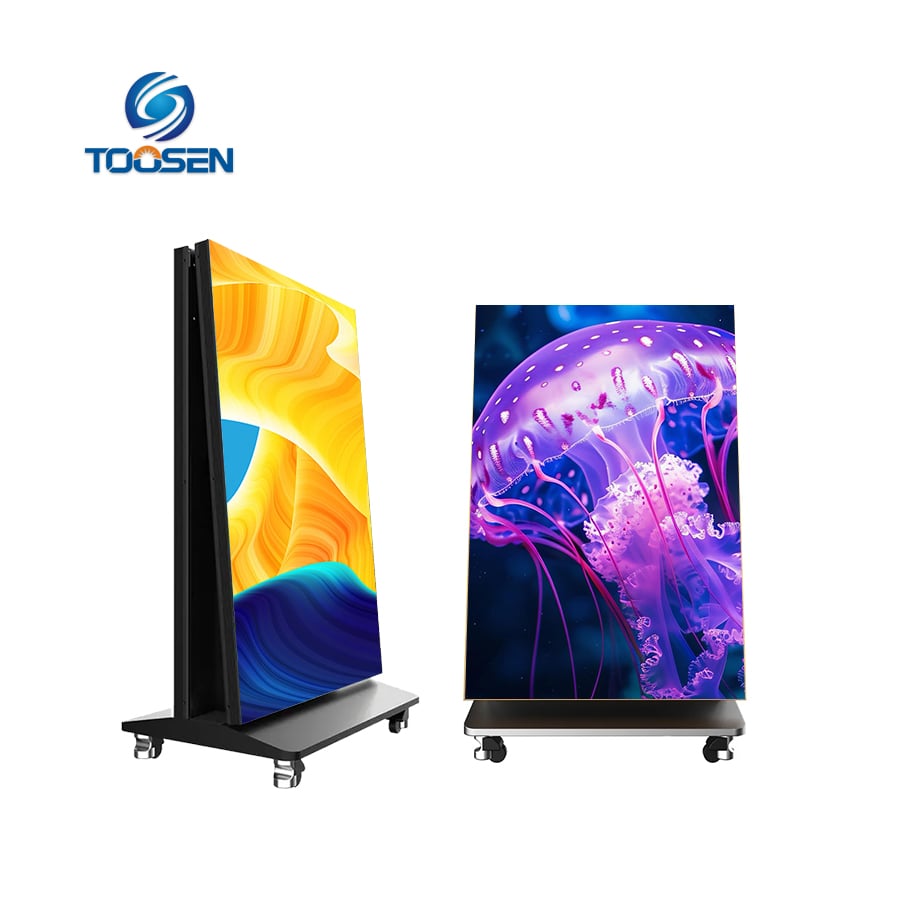
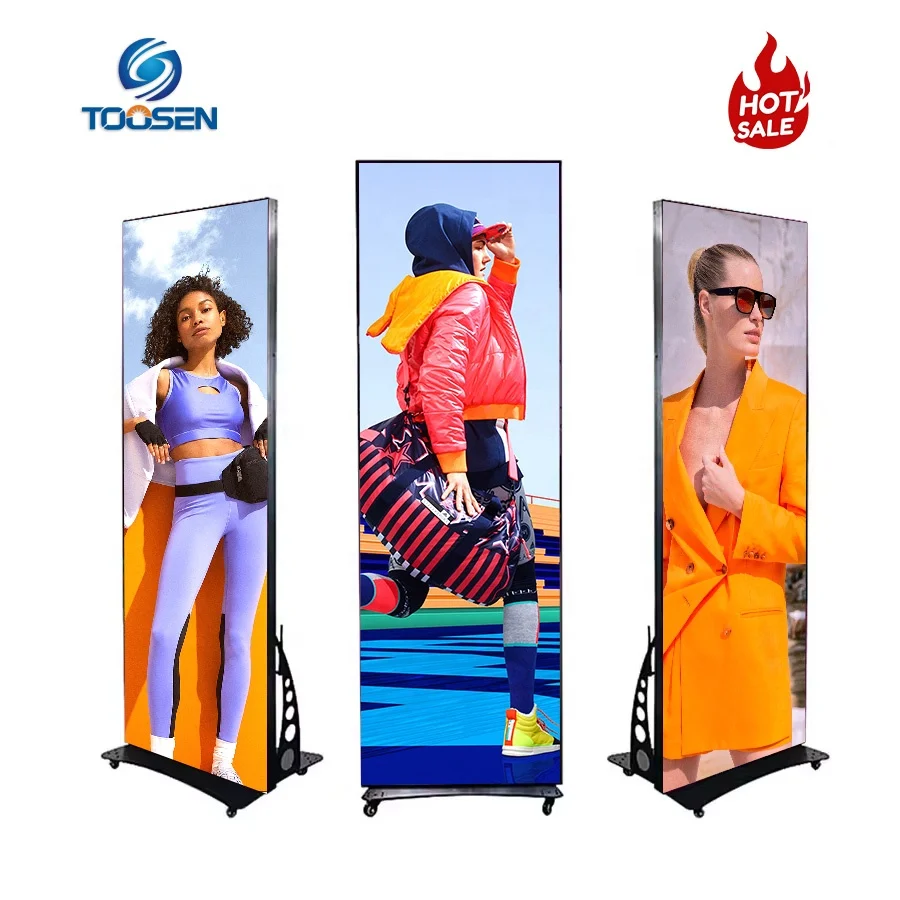
Plakat LED ekranları fonksiyonu yerinə yetirir dijital Reklam məkanlar onları brendin tanıtımı üçün girişlərdə və ya iç mekanda yerləşdirirlər. tədbirlər, içki xüsusi təklifləri və ya brend mesajları . Onların mobil olması kampaniyaların dəyişdirilməsi üçün çeviklik yaradır.
Xarici LED ekranlar küçəyə baxan nişanlar və xarici brendinq alətləri kimi işləyir . Onlar piyada keçidləri cəlb edir və gündüz işığı şəraitində belə keçənlərə təklifləri bildirir.
Musiqi ilə idarə olunan yerlərdə səhnə LED ekranı tez-tez ən təsirli investisiya hesab olunur . O, DJ pultunu və ya səhnəni tamamilə immersiv vizual təcrübəyə çevirir.
Passiv ekran kimi çıxış etmək əvəzinə, o, aşağıdakıları təqdim edərək tamaşaya aktiv dəstək göstərir:
Çünki klub məzmunu sürətlə hərəkət edir və tez-tez dəyişir, buna görə performans xüsusiyyətləri tipik ixtisaslaşdırılmış qonaqpərvərlik mühitindən daha vacibdir. Yenilənmə tezliyi, kontrast nisbəti, boz ton dəqiqliyi və idarəetmə sisteminin sabitliyi hamısı birbaşa vizual keyfiyyətə təsir göstərir.
Ob’yektin ölçüsü və mürəkkəbliyi sizin neçə LED zonasına ehtiyacınız olduğunu müəyyən edir.
Bu zonalar uyğun şəkildə işlədikdə, onlar bir güclü və sabit vizual identitet yaradır, bu da ümumi müştəri təcrübəsini artırır.
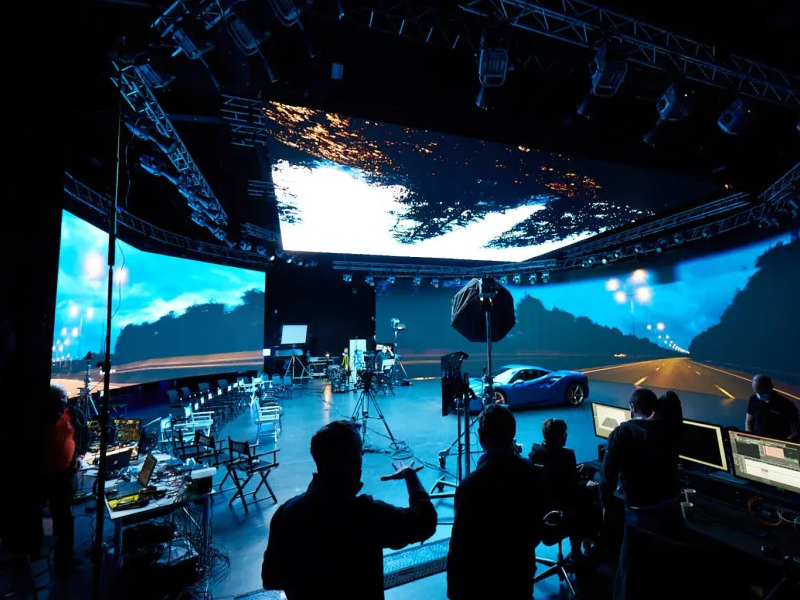
Gecə həyatı üçün etibarlı LED ekran yüksək parlaqlıq, hamar görüntülər, davamlılıq və asan idarəetmə imkanı təmin etməlidir yüksək parlaqlıq, hamar görüntülər, davamlılıq və asan idarəetmə . Bir çox alıcılar gündəlik istismara təsir edən performans amillərini nəzərə almamaqla yalnız ölçüsü və ya qiymətinə diqqət yetirirlər.
Pikseldən pikselə məsafə lED pikselləri arasındakı məsafəni müəyyən edir və bu, birbaşa təsvirin aydınlığını təsir edir.
Daxili barlar üçün:
Səhv addım seçimi nəticəsində ya qeyri-lazımi xərclər və ya yaxın məsafədə aşağı keyfiyyətli təsvir .
Parlaqlıq yerin işıqlandırma şəraitinə uyğun olmalıdır:
Aşağıdakı hallarda yeniləmə tezliyi kritik əhəmiyyət daşıyır:
Gecə həyatı mühitləri üçün:
Bu, müştərilərin tez-tez TikTok və ya Instagram kimi platformalar üçün video çəkmələri səbəbindən xüsusilə vacibdir. Daha yüksək yenilənmə tezliyi parlaqlıq dalğalanmasını azaldır və kamerada daha hamar təkrarlanmanı təmin edir.
Barlar çətin şərait yaradır:
Buna görə də keçidlər və ya saytlar yaxınına quraşdırılan ekranlar aşağıdakıları daxil etməlidir:
Təhlükəsizlik və uyğunluq üçün həmişə elektrik və quraşdırma standartlarına, məsələn, Peşəkar Təhlükəsizlik və Sağlamlıq İdarəsi .
Effektiv klub LED təchizatı yalnız ekranların quraşdırılmasından ibarət deyil — bu, koordinasiyalı vizual sistem yaratmaq məsələsidir . Ekran növünü, piksel addımını, parlaqlığı və düzülüşü yerin real şəraitinə uyğunlaşdırdığınız zaman, immersiv, dinamik və kommersiya baxımından rəqabətli hiss olunan bir məkan yaradırsınız.
Daha dərindən getmək istəyirsinizsə, növbəti addım piksel addımının seçilməsini dəqiq baxış məsafələri ilə uyğunlaşdırmaqdır və ya Müştərilərin məkanda keçirdiyi vaxt və qatılımı əsasında ROI-ni hesablamaqdır .
 EN
EN
 AR
AR
 BG
BG HR
HR
 CS
CS
 DA
DA
 NL
NL
 FI
FI FR
FR
 DE
DE EL
EL
 HI
HI
 IT
IT JA
JA
 KO
KO
 NO
NO PL
PL PT
PT RO
RO
 RU
RU
 ES
ES
 SV
SV
 TL
TL
 ID
ID
 SR
SR
 UK
UK VI
VI
 ET
ET
 HU
HU
 TH
TH
 TR
TR
 FA
FA
 AF
AF
 MS
MS
 GA
GA
 HY
HY
 AZ
AZ
 MN
MN
 UZ
UZ