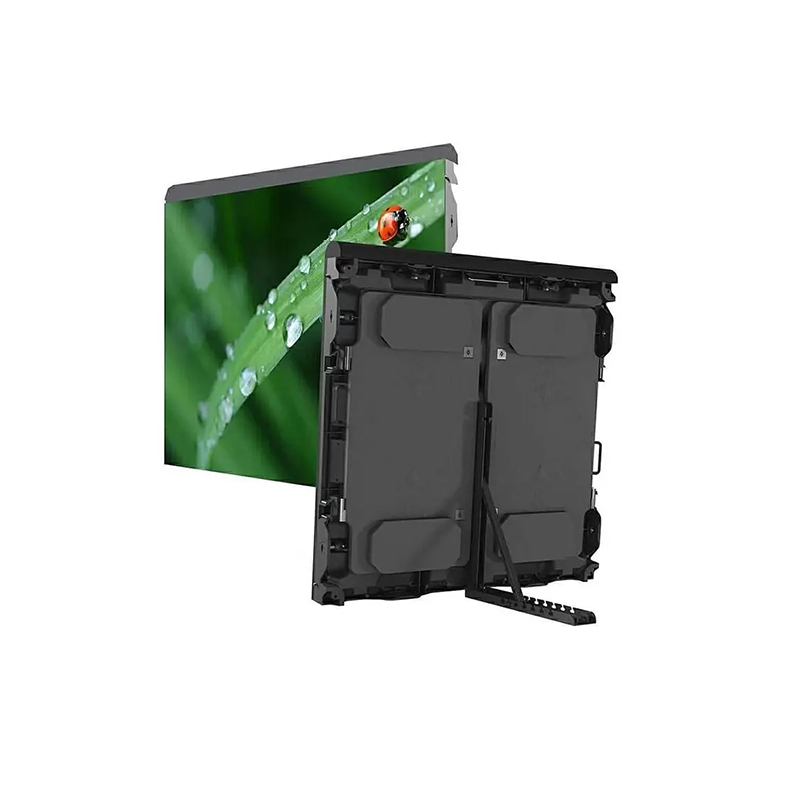
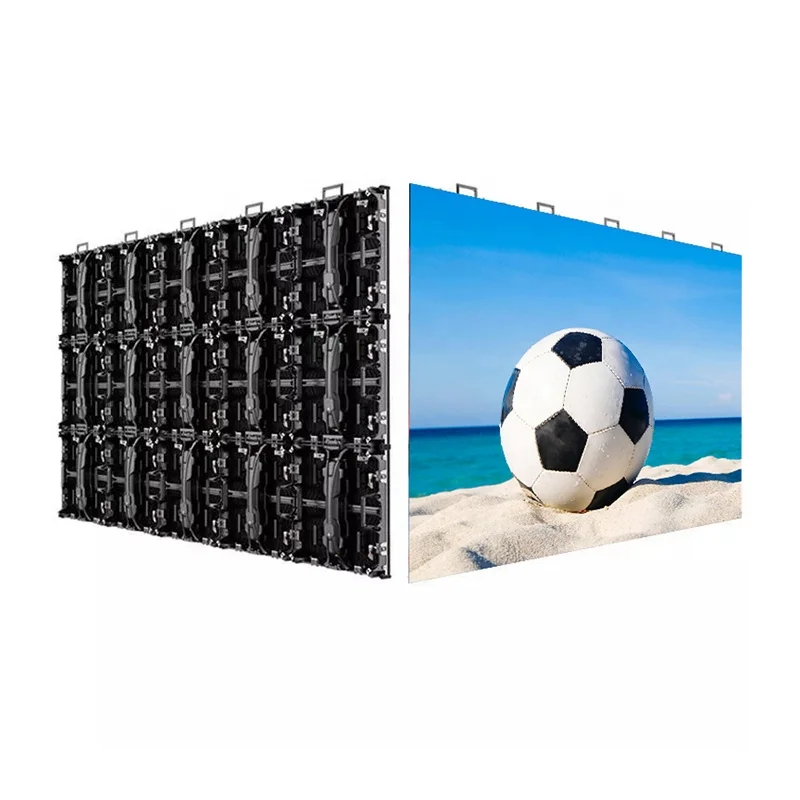
Hər layihə meneceri üçün bir həqiqi qorxulu yuxu var. Tədbir başlayır. Auditoriya izləyir. Birdən-birə ekranın bəzi hissələri LED ekran qara olur. Və ya bəzi panellər siqnalı itirir, sonra bir neçə saniyədən sonra yenidən qayıdır. Bu vəziyyət eyni zamanda stres və risk yaradır.
Əgər bu baş verərsə, panik olmayın. Əksər hallarda, problemin aydın səbəbi var. Düzgün yoxlamalarla problemi tez tapa və ciddi vəziyyətə çevrilməzdən əvvəl aradan qaldıra bilərsiniz.
Bu təlimat tədbirlər zamanı LED ekran siqnallarının itirilməsinin ən çox rast gəlinən səbəblərini izah edir. Həmçinin addım-addım necə təhlükəsizlik yoxlaması edəcəyinizi göstərir.
Əvvəlcə siqnal strukturunu başa düşməlisiniz.
Əksər müasir LED ekranlar zəncirvari topologiya istifadə edir. Bu o deməkdir ki, siqnal bir istiqamətdə gedir. Siqnal göndərən cihazdan, məsələn, göndərmə kartından və ya video prosessorundan başlayır. Sonra birinci şkafetə gedir. Oradan ikinci şkafetə, sonra üçüncüyə və s. keçir.
Təsəvvür edin ki, bir sap üzərindəki çiçəklər kimi. Bir-birinə qoşulur.
Bu struktur səbəbindən siqnal problemləri tez-tez səhv görünən şkafdan yaranmır.
15 nömrəli şkaf siqnal itirərsə, problem adətən yox 15 nömrəli şkafın daxilindədir.
Əksər hallarda problem aşağıdakılardan biridir:
14 nömrəli şkafın çıxış portu
14 və 15 nömrəli şkaf arasındakı şəbəkə kabli
Bu məntiq sizə problemi sürətlə daraltmağa kömək edir. Həmişə əvvəlki şkafı yoxlayın.
Sərbəst qoşulmalar çoxsaylı LED ekran problemlərinə səbəb olur.
Tədbirlər zamanı səhnələr vibrasiya edir. Səs sistemləri yüksək səsdə işləyir. İnsanlar ətrafda gəzirlər. Şkafların kilidləri və ya konnektorları aşağı keyfiyyətli olarsa, onlar gevşəyə bilər.
Bu, siqnalın qısa müddət üçün kəsilməsinə səbəb ola bilər. Sonra yenidən birləşir. Bu, ekranın qaralmasına və ya parlamasına səbəb olur.
Əgər problem təsadüfi şəkildə yaranırsa, bütün uyğun keçid kabellərini dəyişin. Bu, tez-tez onları bir-bir yoxlamaqdan daha sürətli olur.
Şəbəkə kabellərini dəyişmək problemi həll etmirsə, elektrik mühitinə diqqət yetirin.
Siqnal ötürülməsi gərginlik fərqindən asılıdır. Əgər LED ekrana verilən enerji sisteminin yerləşdirilməsi idarəetmə sisteminin yerləşdirilməsindən fərqlidirsə, siqnal xəttinə giriş maneəsi daxil ola bilər.
Bu maneə məlumatda səhvlərə səbəb ola bilər. Qəbuledici kart səhv məlumat oxuya bilər. Nəticədə ekran parlaya bilər və ya siqnalı itirə bilər.
Yerləşdirmə problemləri çox yaygındır, lakin tez-tez nəzərə alınmır.
Əgər LED ekranın enerji qidasının yer və göndərmə kartının yeri arasında gərginlik fərqi varsa, cərəyan siqnal kabli üzərindən axa bilər. Bu, səs-küy və qeyri-sabitlik yaradır.
Həmçinin, statik elektrik problemlərə səbəb ola bilər. Bu, tez-tez quru daxili məkanlarda və ya xalça olan kabinetlərdə baş verir. Statik yüklənmə yığıla və anidən boşala bilər. Bu, siqnalı bir müddət üçün pozuntuya uğrada bilər.
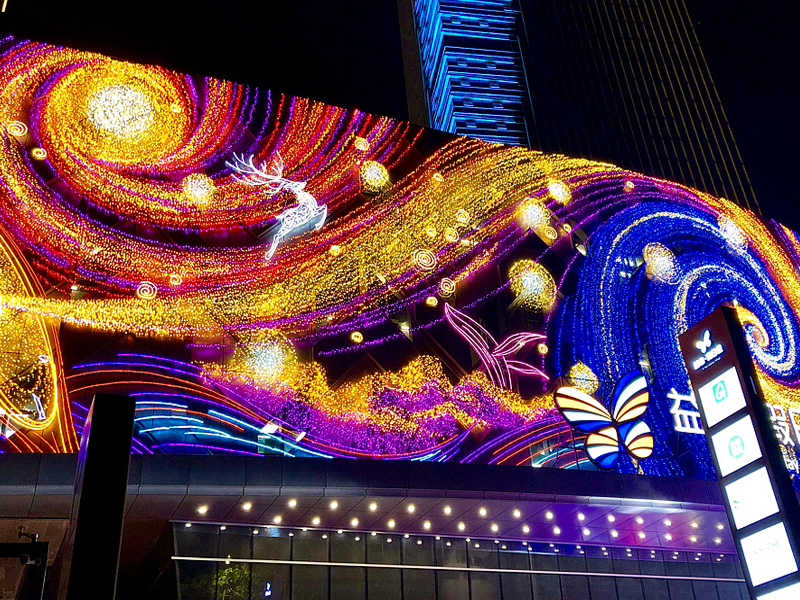
Siz aşağıdakı yoxlamalara əməl edə bilərsiniz:
Bütün enerji paylayıcı qutuların eyni yerə malik olduğundan əmin olun
Göndərmə cihazı və LED ekranın birlikdə yerləşdirildiyinə əmin olun
Ekrana örtülmüş şəbəkə kabellərindən istifadə edin
Kabel ekranının düzgün şəkildə yerləşdirildiyinə əmin olun
Bu addımlar müdaxiləni azaldır və siqnal sabitliyini artırır.
Böyük tədbirlərin çoxu əsas və ehtiyat siqnal təkrar istifadəsi istifadə edir. Bu, təhlükəsizlik üçün edilir. Lakin düzgün qurulmayıbsa, təkrar istifadə də problemlər yarada bilər.
Ekran iki siqnal arasında sürətlə keçid edir. Bu, güclü parıldamağa bənzəyir.
Əgər əsas siqnaldakı paket itkisi yüngül olsa, sistem onu sabitsiz hesab edə bilər. Sonra ehtiyat siqnala keçid edir.
Əgər ehtiyat siqnal da mükəmməl deyilsə, sistem davamlı olaraq irəli-geri keçid edir. İki siqnal bir-biri ilə "mübarizə" aparmağa başlayır.
Sadə test var.
Dövrün sonunda ehtiyat siqnal kablini müvəqqəti olaraq çıxarın. Əgər ekran dərhal sabitləşərsə, problem təkrarlanma parametrləri və ya siqnalın düzgün qiymətləndirilməməsi ilə əlaqədardır.
Bu test sizə saniyələr içində səbəbi təsdiqləməyə kömək edir.
Bütün fiziki qoşulmalar qaydasında olarsa, şkafın daxilinə baxmağınız lazımdır.
Qəbuledici kartın xətası nadir hallarda baş verir, amma belə hadisələr ola bilər. Qəbuledici kart ilə HUB lövhəsi arasındakı altın barmaqlar oksidləşə bilər. Bundan əlavə, çiplər soba temperaturuna çox qalxdıqda istilikdən mühafizə rejiminə keçə bilər.
Əgər icarəyə verilən şkaflar müxtəlif partiyalardan gəlirsə, qəbuledici kartlarda müxtəlif proshivka versiyaları ola bilər. Bu, şkaflar arasında əlaqənin qurulmamasına səbəb ola bilər.
Bəzi texniklər qarışıq icarə layihələri zamanı bu problemlə üzləşdiklərini bildirmişlər.
NovaLCT kimi idarəetmə proqramından istifadə edin.
Bütün qəbuledici kartların onlayn olub-olmadığını yoxlayın
Bütün firmware versiyalarının eyni olduğundan əmin olun
Şkafın daxilindəki lent kabelini yoxlayın
Yastı kabelin möhkəm şəkildə qoşulduğundan əmin olun
Bu yoxlamalar sizə gizli problemləri müəyyən etməyə kömək edir.
Tədbir zamanı LED ekranın siqnal itirməsi stresli hadisədir, lakin adətən aradan qaldırıla bilər. Əksər problemlər kabeldən, qoşulmadan, rezerv təminat qurğusundan və ya kiçik aparat komponentlərindən qaynaqlanır.
Əgər aydın məntiqdən istifadə etsəniz, problemi tez tapa bilərsiniz. Əvvəlcə siqnal yolundan başlayın. Sonra qoşulmaları yoxlayın. Bundan sonra qoşulmanı, rezerv təminatı və firmware-i yoxlayın.
Yaxşı hazırlıq və sistemli səbəb axtarışı panikadan qaçmağa və tədbirinizi qorumağa kömək edir.
S1: Niyə yalnız LED ekranın bir hissəsi qaralır?
A: Qonşu zəncir sisteminə gəldikdə, problem ən çox keçmiş kabineti və ya ondan əvvəlki kabeli təşkil edir.
S2: Ehtiyat sistemi ekranın yanmasını səbəb ola bilərmi?
A: Bəli. Əsas və ehtiyat siqnallar hər ikisi sabitsizdirsə, sistem daima keçid edə bilər.
S3: Qoşulma (grounding) həqiqətən LED ekran siqnallarını təsir edirmi?
A: Bəli. Zəif qoşulma (grounding) maneə yarada və siqnal səhvləri səbəb ola bilər.
 EN
EN
 AR
AR
 BG
BG HR
HR
 CS
CS
 DA
DA
 NL
NL
 FI
FI FR
FR
 DE
DE EL
EL
 HI
HI
 IT
IT JA
JA
 KO
KO
 NO
NO PL
PL PT
PT RO
RO
 RU
RU
 ES
ES
 SV
SV
 TL
TL
 ID
ID
 SR
SR
 UK
UK VI
VI
 ET
ET
 HU
HU
 TH
TH
 TR
TR
 FA
FA
 AF
AF
 MS
MS
 GA
GA
 HY
HY
 AZ
AZ
 MN
MN
 UZ
UZ