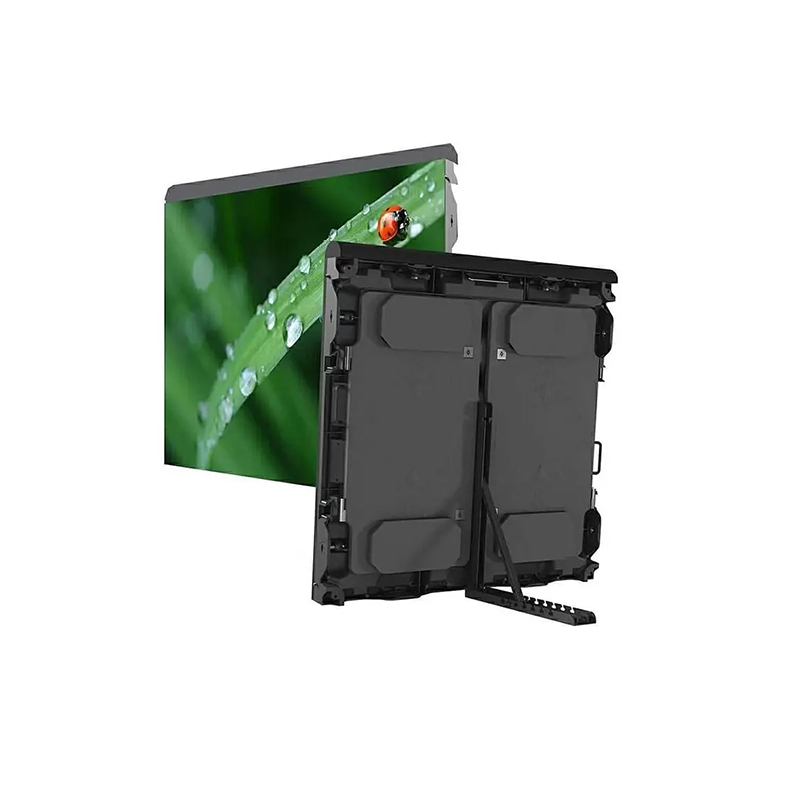
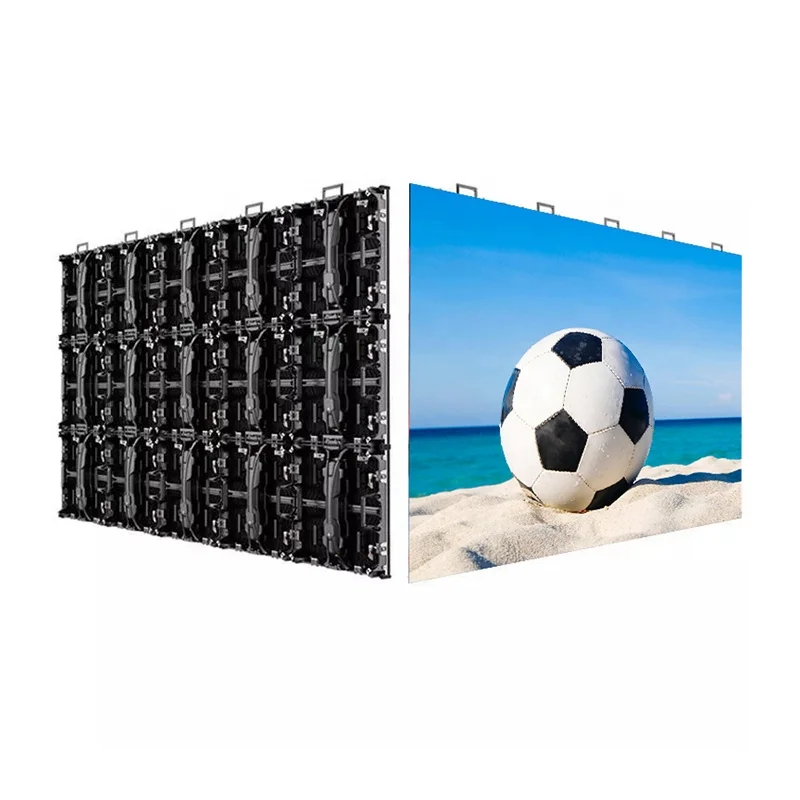
Piksel yapışması, üstündə ümumi bir problemdir LED ekranları . Şəklin bulanık görünməsinə səbəb olur və ekrana təsir edir. Parlaq xəttin yanında kölgə görə bilərsiniz və ya rənglərin bir-birinə qarışdığını fərq edə bilərsiniz. Bir çox halda mətn və şəkillərdə “göyərti” və ya “rəng sürüşməsi” müşahidə olunur. Bu problem ciddi kimi görünsə də, həqiqi səbəbini başa düşdükdə onu aradan qaldırmaq mümkündür. Bu bələdçidə TOOSEN piksel yapışmasının nə olduğunu, necə yoxlanılacağını, niyə meydana gəldiyini və onu aradan qaldırmaq və qarşısını almağın ən yaxşı yollarını izah edir.
Piksel yapışması, piksel qonşusu ilə birlikdə səhv işıqlandığında baş verir. İki və ya daha çox piksel birləşmiş rəngləri göstərir, beləliklə kənarlar yumşaq və qeyri-müəyyən görünür. Məsələn, parlaq şaquli xəttin yanında yüngül kölgə görə bilərsiniz.
Piksel yapışmasını təsdiqləməyin sadə yolu aşağıdakı testləri sınamaqdır:
Əgər ekran nə göstərirsə göstərsin, piksel problemi dəyişmirsə, bu, çox güman ki, ölü pikseldir. Lakin kölgə dəyişirsə və ya itərsə, problem piksel yapışmasıdır.
Ölmüş piksel eyni qalır. Piksellərin yapışması, adətən parlaqlıq düşdükcə yüngül olur və ya itir.
Əksər istehsalçılar bir dəfədə bir pikseli işıqlandıran proqram təmin edir.
Əgər A pikseli işıqlanıb və B pikseli də zəif parlayırsa, bu o deməkdir ki, səbəb kross-tokdur.
Əgər B pikseli qaranlıq qalarsa, A pikseli ölmüş piksel ola bilər.
Bu tez testlər sizə hansı növ nasazlıqla üzləşdiyinizi başa düşməyə kömək edir.
Piksellərin yapışması aşağıdakılardan qaynaqlana bilər aparat problemləri ,proqram və ya parametr xətaları , və ya çevik vəziyyət Faktorları . Əksər problemlər aparatla əlaqəlidir.
Hər bir LED pikseli LED çiplərini, driver İC və PCB izlərini özündə cəmləşdirir. Bu hissələrin hər hansı birində baş verən nasazlıq yaxınlıqdakı piksellərə qeyri-istənilən siqnalların keçməsinə səbəb ola bilər.
Driver İC hər bir piksel üçün «idarəetmə keçidi» rolunu oynayır. O, idarəetmə kartından məlumat alır və LED çiplərinə nə zaman işıqlanmalı olduqlarını göstərir.
Əgər İC pis lehimlənmiş, artıq cərəyanla yanıb və ya aşağı keyfiyyətli olarsa, yanlış siqnal göndərə bilər. Nəticədə yalnız piksel A-nın işıqlanması lazım olduğu halda piksel B də işıqlana bilər. Bu da pikselin yapışmasına səbəb olur.
PCB izləri bir-birinə çox yaxındır. Əgər lövhədə lehim qalığı, toz, rütubət və ya istehsal xətası varsa, iki iz təsadüfən birləşə bilər.
Bu hal baş verdikdə, cərəyan bir pikseldən digərinə axır, bu da kross-tok və rəng qarışmasını yaradır.
Aşağı keyfiyyətli LED çipləri istilik, rütubət və ya fiziki təsir nəticəsində sürətlə köhnələ bilər və ya xətaya səbəb ola bilər.
Zədələnmiş LED çipi daim işıqlı qala bilər və yanındakı pikselləri də özünə çəkir. Parlaq bir nöqtə və onun ətrafında kiçik kölgə görəcəksiniz.
İcarə ekranlarda və ya forması olan LED displeylərdə modullar bir-birinə yaxın birləşdirilir.
Əgər aralıq çox azdırsa və ya lent kabeli gevşəyib və ya paslanıbsa, siqnal modullar arasında sıçraya bilər. Bu, modul kənarlarında pikselin qalmasına səbəb olur.
Bütün piksel qalmasını problemi zədələnmiş aparatdan yaranmır. Bəzən səhv tənzimləmələr piksel problemi kimi görünən vizual xətalara səbəb olur.
Yeniləmə tezliyi, boz səviyyəsi və ya piksel qarşılaşdırılması səhvdirsə, şəkil hamar yenilənə bilməz.
300 Hz-dən aşağı yeniləmə tezliyi sürətli hərəkət edən kontentdə qara xətlərin yaranmasına səbəb ola bilər.
Səhv piksel xəritələşdirməsi həmsənən piksellərə səhv məlumat təyin edə bilər.
Daxil olan siqnal LED ekrana uyğun gəlmirsə, şəkil uzanır və ya bulanır.
Həmçinin, ekranlaşdırılmamış kabellərdən istifadə etmək və ya siqnal naqillərini güc kabellərinə çox yaxın yerləşdirmək girişməyə səbəb ola bilər. Bu, kənarların bulanık və ya "yapışqan" görünməsinə səbəb olur.
Bu problemlər daha az rast gəlinir, lakin hələ də piksel yapışmasına səbəb ola bilər.
Xarici LED ekranlarda yağış mövsümü ərzində nəm modullara daxil ola bilər.
Su, PCB-nin sızmasına və qısa qapanmalara səbəb olur ki, bu da diafoniya (crosstalk) yaradır.
Ekrana maksimum parlaqlıqda bir neçə saat ərzində işlətmək LED-ləri və sürücü İC-lərini qızdırır.
İstilənmə yaşlanmanı sürətləndirir və siqnal dəqiqliyini azaldır. Nəticədə, ekran müvəqqəti piksel yapışması göstərə bilər.
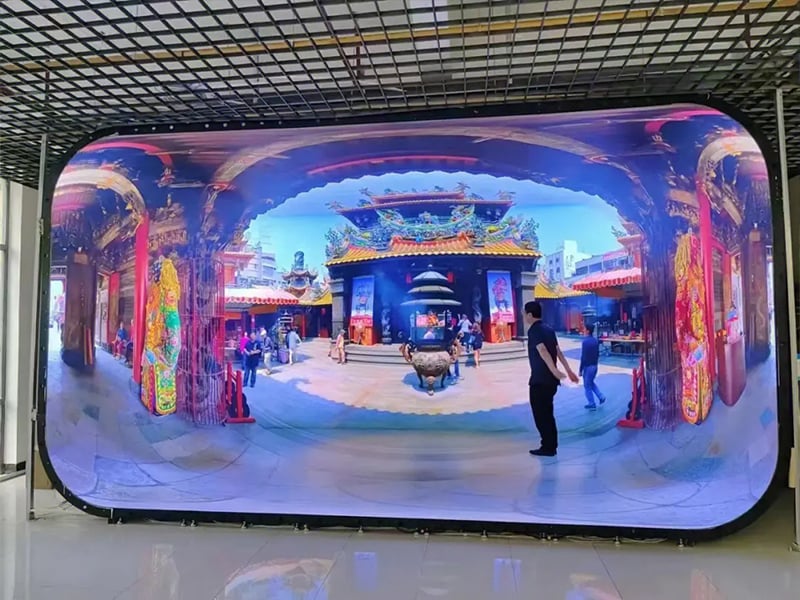
Əgər problem həqiqi ölmüş pikseldirsə, ən yaxşı təmir üsulu LED lampa əvəz etməkdir.
Texniklar solderi əritmək, nasaz LED-i çıxarmaq və eyni növ yeni birini quraşdırmaq üçün istilik qurğusu və ya lazer təmir alətindən istifadə edirlər.
Bu, daimi həll yaratır.
Sürətli RGB videoları oynaya bilərsiniz və ya xüsusi piksel aktivasiya proqramından istifadə edə bilərsiniz.
Bu alətlər piksela tez impulslar göndərir. Tezliklə keçid tranzistoru 'oyatmağa' və normal davranışını bərpa etməyə kömək edə bilər.
Bu metod erkən mərhələdə piksel yapışmasında ən yaxşı işləyir.
LED ekranlar OLED kimi yanmır, lakin uzunmüddətli sabit yüksək parlaqlıqlı təsvirlər bərabərsiz yaşlanmaya səbəb olur. Mündəricatı müntəzəm olaraq dəyişdirin.
İstehsalçınızın təqdim etdiyi parlaqlıq və rəng kalibrləmə alətlərindən istifadə edin.
Müntəzəm kalibrləmə piksel performansının zamanla sabit qalmasını təmin edir.
Ekranınızın uzunmüddətli zədələnmənin qarşısını almaq üçün düzgün sıxılma, havalandırma və temperatur nəzarətinə malik olduğundan əmin olun.
Piksel yapışması ümumi və idarə oluna bilən LED ekran xətasıdır. Siz sadə testlər aparmaqla onu tez aşkar edə bilərsiniz. Proqram yoxlamaları və bağlantı yoxlamaları tez-tez problemi həll edir. IC-lər və ya PCB-lər daxil olduqda, аппарат xətaları peşəkar təmir tələb edir.
Xətayı erkən aradan qaldırarsınızsa, modul qısa qapanmaları kimi daha böyük zədələrin qarşısını ala bilərsiniz. Həmçinin düzgün texniki xidmət və kalibrləmə ilə gələcəkdə əksər piksel yapışma problemlərini qarşısını ala bilərsiniz.
Əgər texniki köməyə ehtiyacınız varsa, TOOSEN bütün quraşdırma növləri üçün tez dəstək və tam LED ekran həlləri təklif edir.
Ölü piksel görüntülədikdən asılı olmayaraq eyni qalır. Yapışqan piksel parlaqlıq və ya məzmun dəyişdikdə dəyişir və ya itir.
Bəli, bəzi hallarda. Tez-tez yanıp sönmə siqnalları pikselin içindəki kiçik tranzistoru sıfırlaya bilər.
Əgər bir çox piksel bir araya toplanıbsa, problem modullar üzrə yayılıbsa və ya İC/ŞBİ zədələndiyini şəxsiyyət hiss edirsinizsə, daha böyük zərəri qarşısını almaq üçün peşəkarla əlaqə saxlayın.
 EN
EN
 AR
AR
 BG
BG HR
HR
 CS
CS
 DA
DA
 NL
NL
 FI
FI FR
FR
 DE
DE EL
EL
 HI
HI
 IT
IT JA
JA
 KO
KO
 NO
NO PL
PL PT
PT RO
RO
 RU
RU
 ES
ES
 SV
SV
 TL
TL
 ID
ID
 SR
SR
 UK
UK VI
VI
 ET
ET
 HU
HU
 TH
TH
 TR
TR
 FA
FA
 AF
AF
 MS
MS
 GA
GA
 HY
HY
 AZ
AZ
 MN
MN
 UZ
UZ