LED-prosessors word veral belangrik soos skerms groter en meer kompleks raak.
Byvoorbeeld, kan moderne stelsels die volgende vereis:
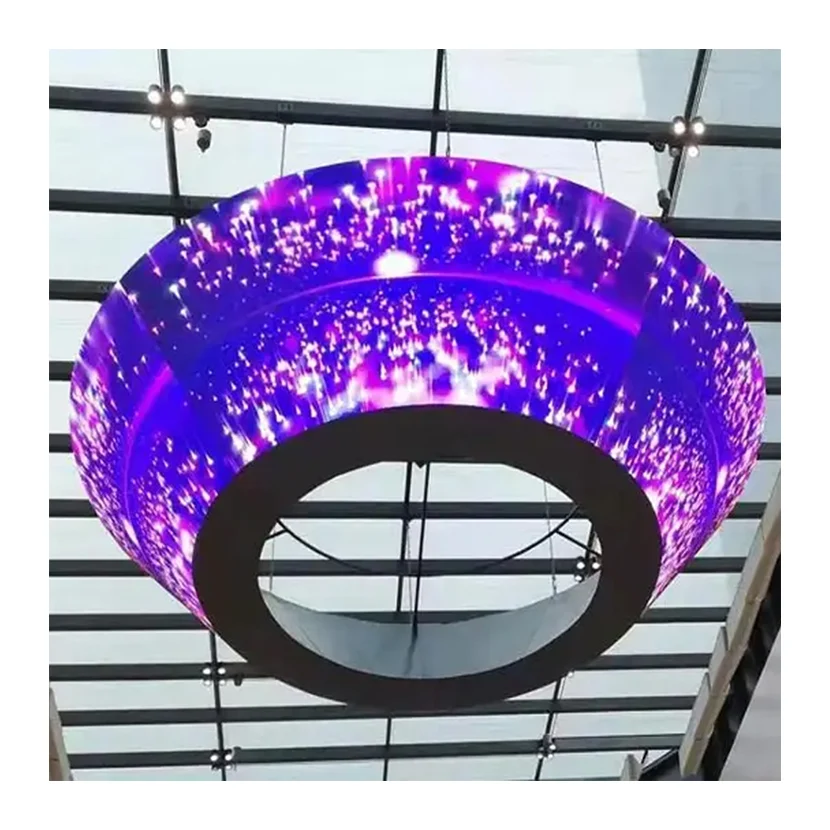
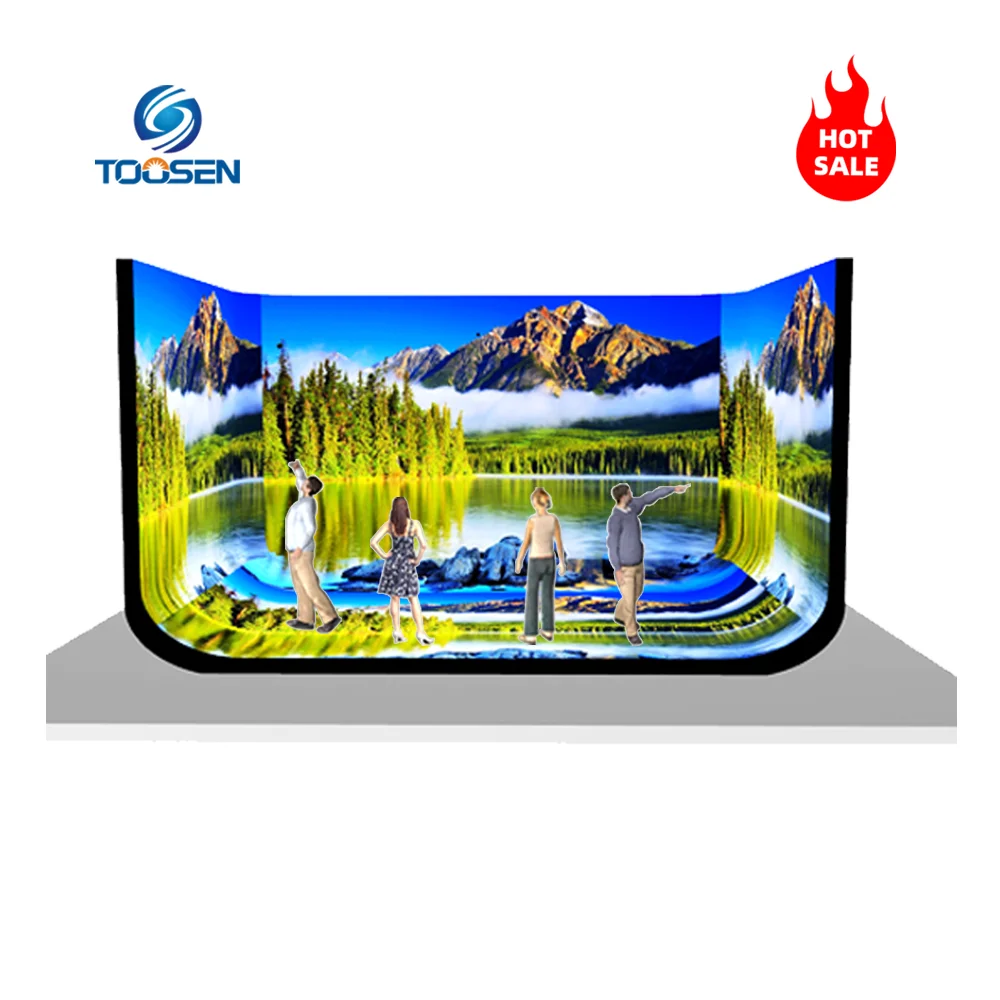
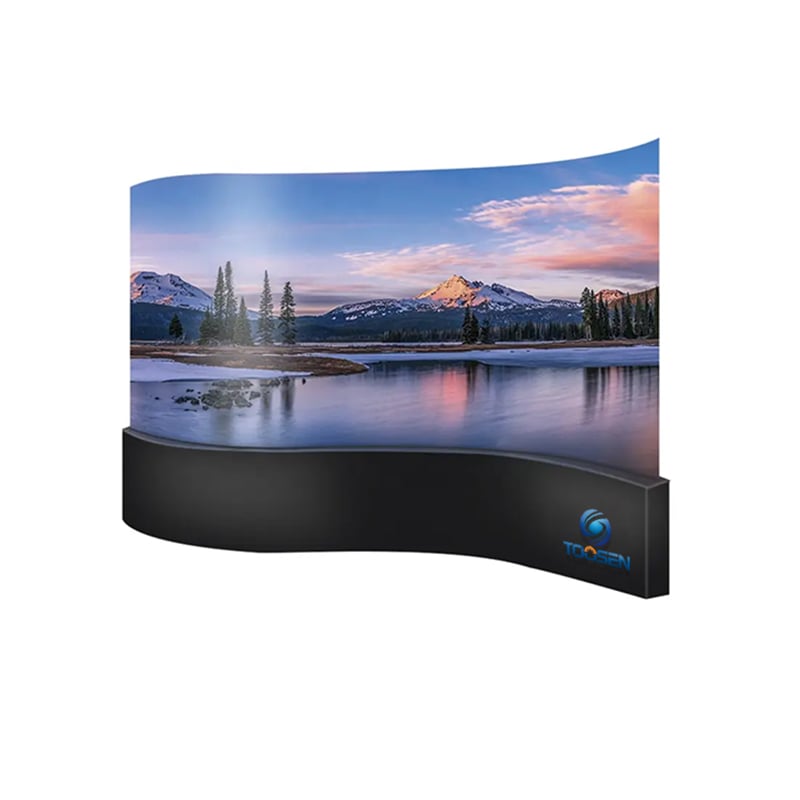
Gevorderde prosessors ondersteun selfs onreëlmatige skerms soos gekromde, sferiese of kreatiewe LED-skerms , wat verseker dat beelde reglynig bly oor ongewone vorms.
Praktiese Voorbeeld van 'n LED-vertoningsstelsel
'n Tipiese installasie kan soos volg lyk:
Elke stap speel 'n spesifieke rol. Indien enige komponent faal of nie saamwerk nie, kan die skerm probleme soos flikkering, verkeerde toekennings of kleurbande vertoon.
Gevolgtrekking
'n LED-skermprosesor dien as die sentrale brein van 'n LED-vertoonstelsel . Dit omskep videosignale, optimaliseer beeldkwaliteit en versprei die korrekte data na elke LED-module.
Om op te som:
Wanneer hierdie komponente saamwerk, is die resultaat 'n vloeiende, gesinchroniseerde en hoë-kwaliteit LED-vertoon.
Soos LED-tegnologie voortdurend ontwikkel, sal prosessors 'n selfs groter rol speel in die ondersteuning van 4K/8K-video, komplekse videomure en kreatiewe LED-installasies .
 EN
EN
 AR
AR
 BG
BG HR
HR
 CS
CS
 DA
DA
 NL
NL
 FI
FI FR
FR
 DE
DE EL
EL
 HI
HI
 IT
IT JA
JA
 KO
KO
 NO
NO PL
PL PT
PT RO
RO
 RU
RU
 ES
ES
 SV
SV
 TL
TL
 ID
ID
 SR
SR
 UK
UK VI
VI
 ET
ET
 HU
HU
 TH
TH
 TR
TR
 FA
FA
 AF
AF
 MS
MS
 GA
GA
 HY
HY
 AZ
AZ
 MN
MN
 UZ
UZ