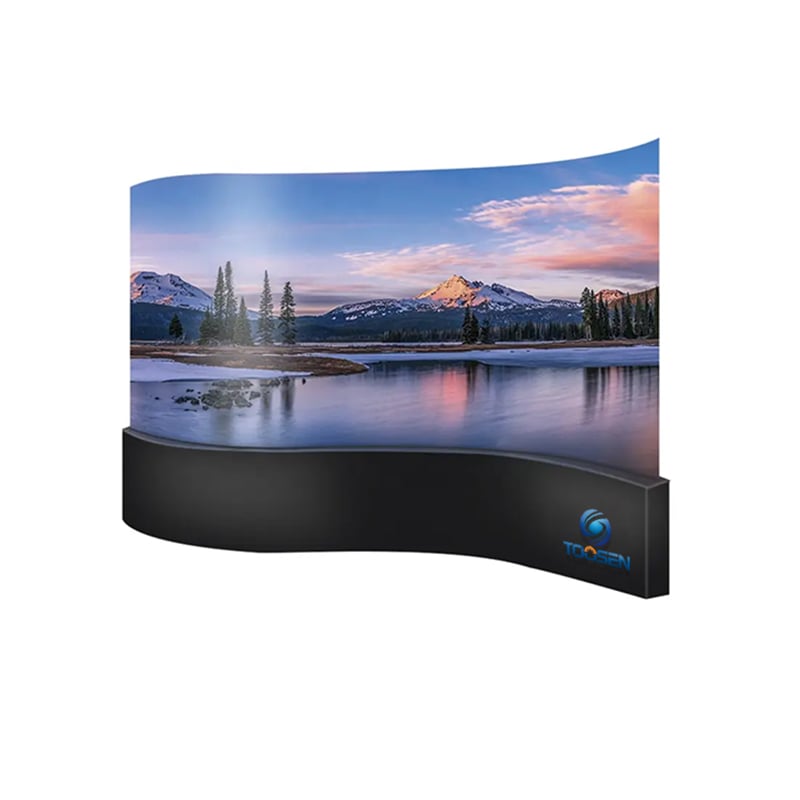
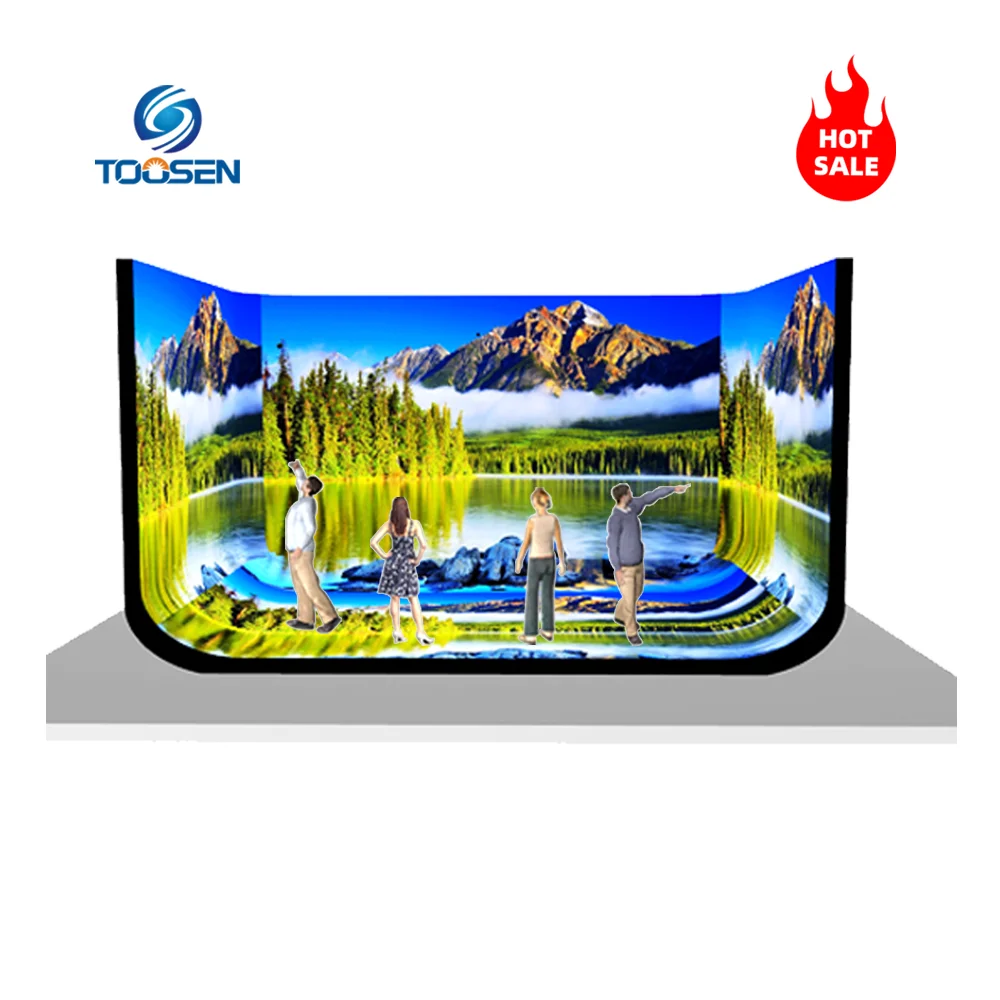
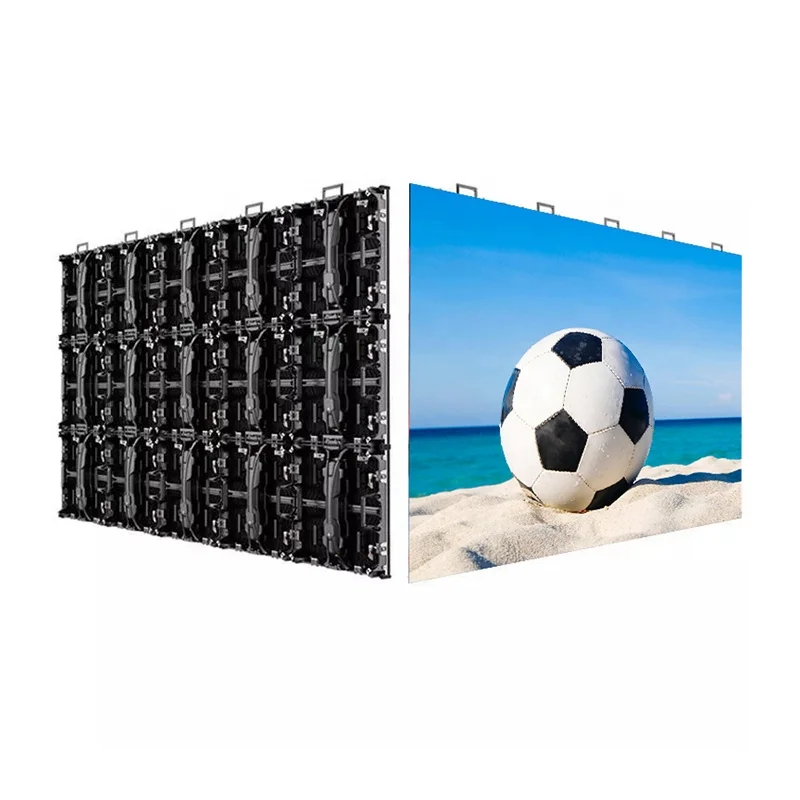
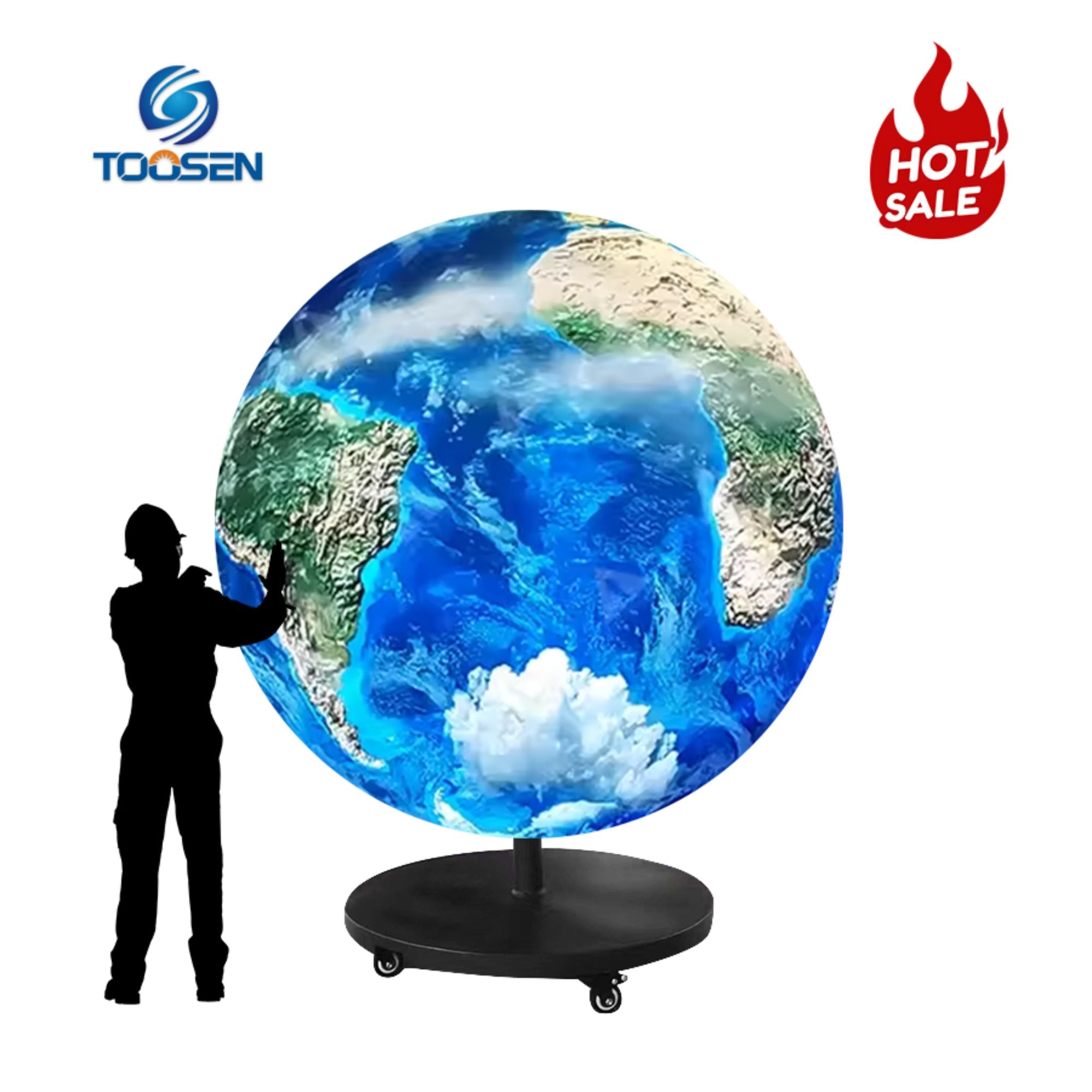
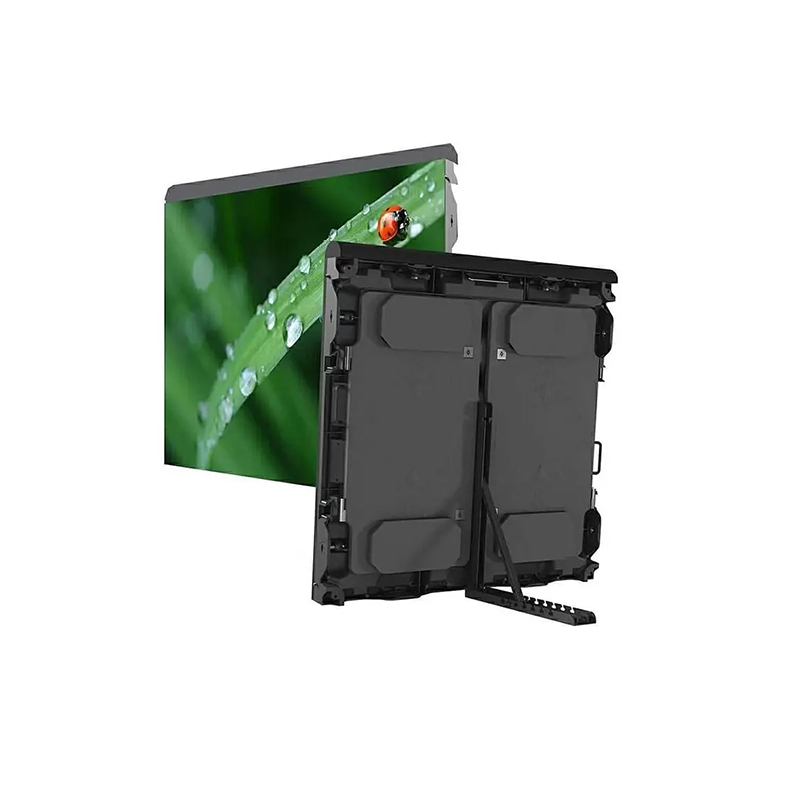
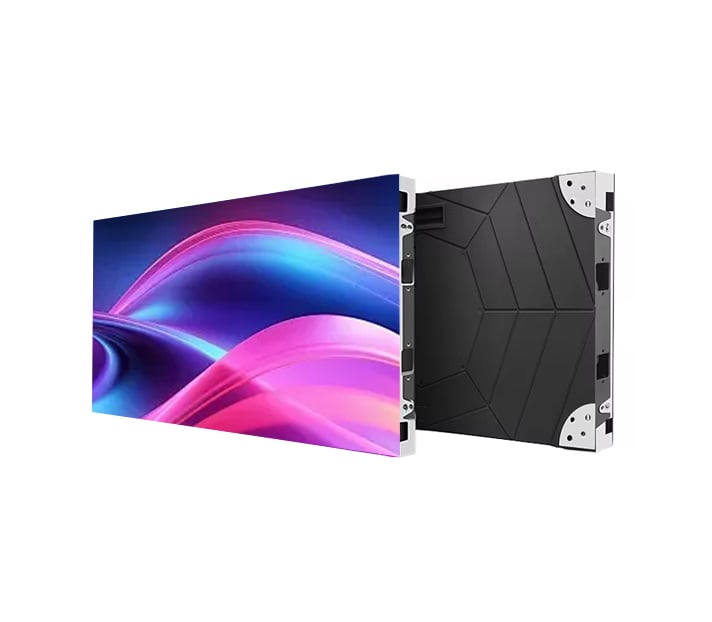
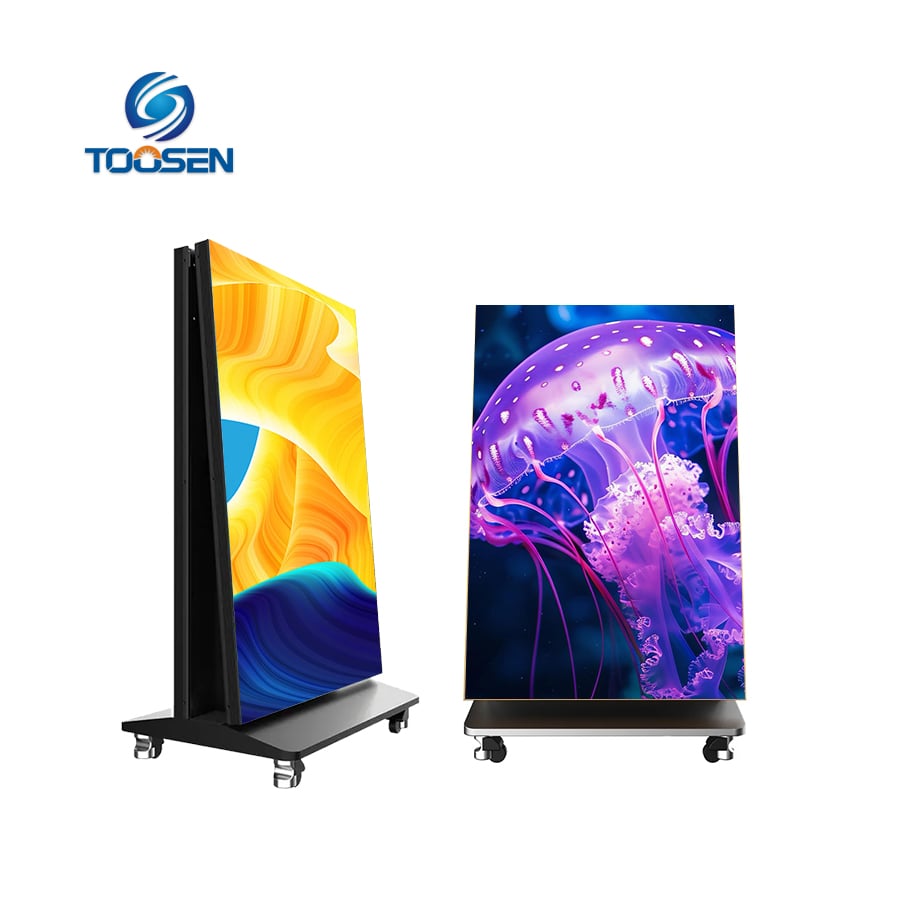
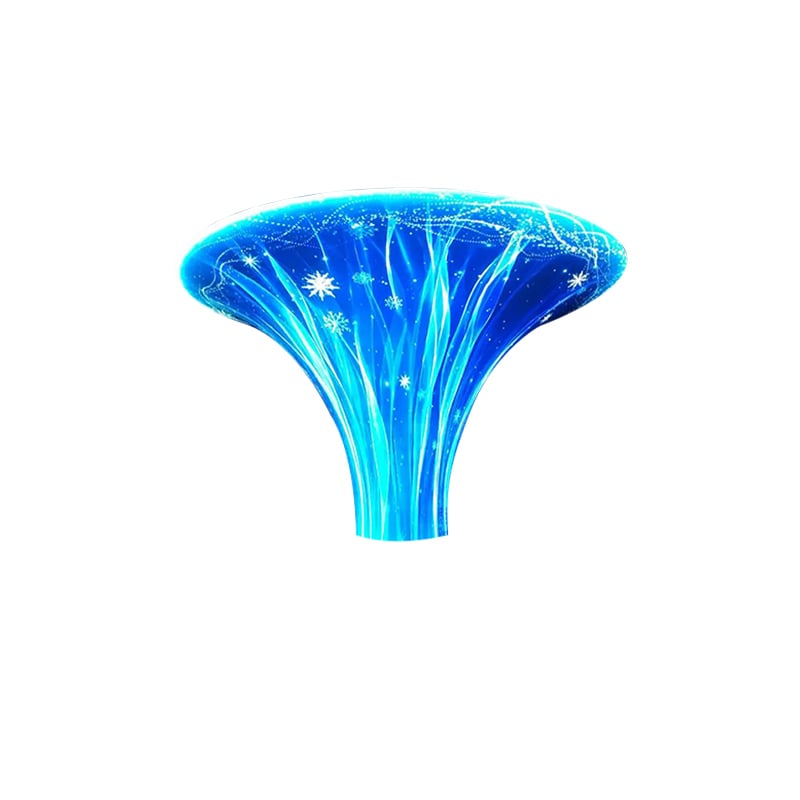
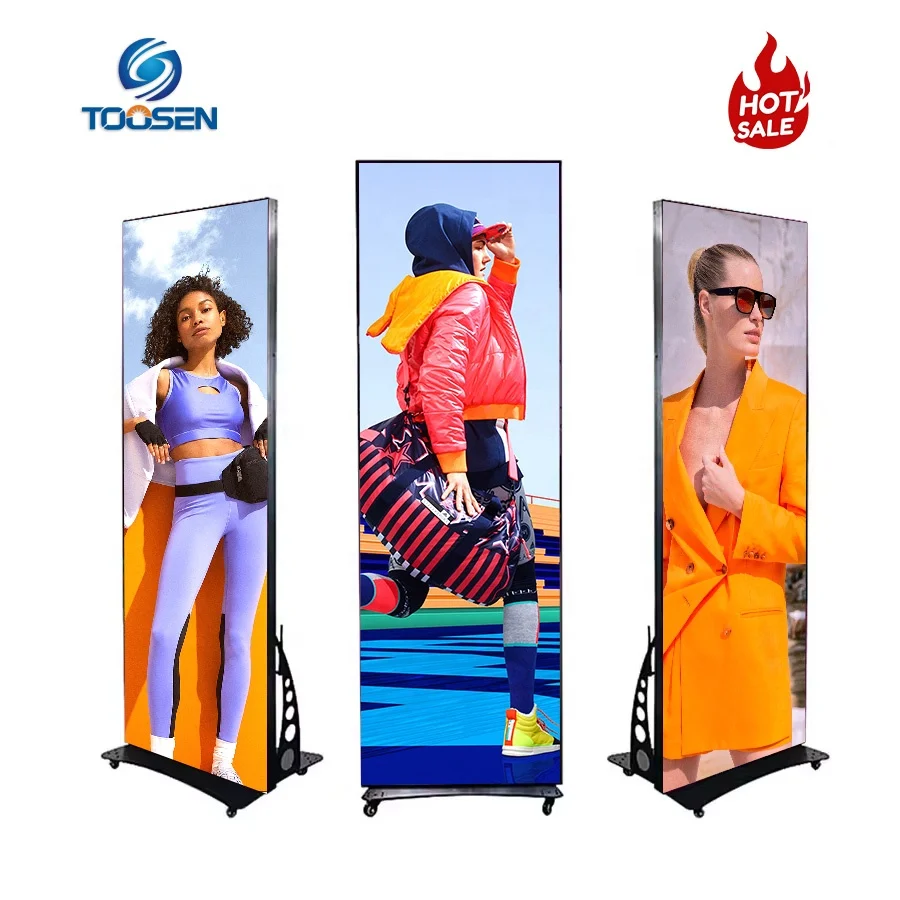
Moderne gekurwe LED-stelsels bied buigsame beheeropsies en uitgebreide vermoëns.
Eerstens kan gebruikers kies simultane of asinkroonse beheer afhangende van die projekgrootte. Groot installasies integreer dikwels 'n sentrale netwerkbeheerstelsel , wat bedrywers in staat stel om verskeie skerms te bestuur en verskillende media oor verskeie sones te vertoon.
Tweedens ondersteun baie stelsels gevorderde funksies soos:
Outomatiese helderheidsaanpassing
Stroomonderbrekingsbeskerming
Afstandsmonitering en instandhouding
Integrasie met interaktiewe tegnologieë soos radarsensors of aanrakingstelsels
Vir buitelugprojekte moet ingenieurs ook inwerk weerligbeskerming, aardingstelsels en windbestande strukturele ontwerp .
Gekromde LED-skerms verskyn oor baie nywerhede omdat hulle visuele kreatiwiteit met praktiese funksionaliteit kombineer.
Kommersiële vastegoed
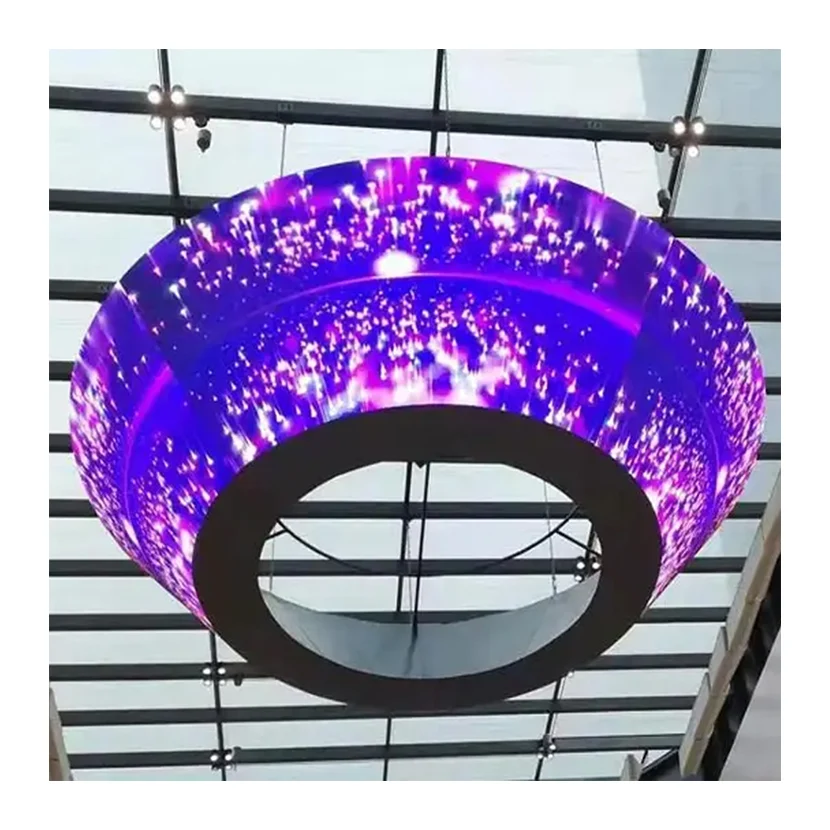
Winkelsentrums installeer dikwels gekronkelde plafondvertonings of gevelskerms om digitale landmerkruimtes te skep.
Kulturele toerisme en museums
Wetenskapsmuseums en temagebonde aantreklikhede bou dikwels sirkelvormige onderdompelende vertonings om storievertelling en gehoorbetrokkenheid te verbeter.
Sport en Vermaak
Stadions gebruik gekromde ring-skermes , terwyl konserte en verhoogproduksies staatmaak op gekromde LED-agtergrondskerms om dinamiese visuele effekte te skep.
Publieke Infrastruktuur
Lughawens, spoorwegstasies en beheersentrums installeer silindriese LED-wysers of gekromde moniteringsmure om versiering met inligtingverskaffing te kombineer.
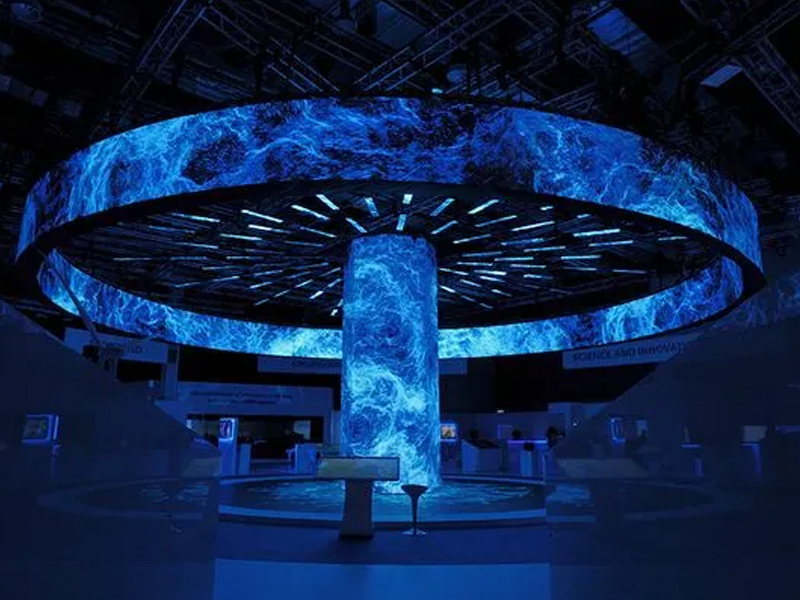
Die keuse van die regte gekromde LED-skerms vereis noukeurige beplanning.
Eerstens, bepaal die krommingstraal, installasieruimte en kykafstand . Hierdie faktore beïnvloed direk die toepaslike pikselafstand en helderheidsvlak .
Tweedens, buite-installasies moet insluit IP65-beskerming, weerligbeskermingstelsels en windlasberekeninge om veiligheid en duurzaamheid te verseker.
Derdens, vermy die bou van groot gekurweerde oppervlaktes met horisontale kort modules , aangesien dit sigbare segmentasie-lyne kan skep. In plaas daarvan, vertikale lang modules produseer gewoonlik gladter visuele resultate.
Reserveer ten slotte altyd voldoende ruimte vir verkoeling en onderhoud sodat tegnici die vertoonstuk sonder moeite kan instel.
Gereelde onderhoud help om die leeftyd van gekurweerde LED-skerms te verleng. Tegnici moet die vertoonoppervlak skoonmaak, waterdigte seals inspekteer, elektriese verbindinge toets en die temperatuur van die kragvoorsiening monitor . Daarbenewens vereis buigbare skerms ekstra sorg omdat skerp voorwerpe die oppervlak kan beskadig.
Vooruit kykend, bly verskeie tendense die gekurweerde LED-mark hervorm. Die koste van buigbare vertoonstukke verminder geleidelik , terwyl Mini LED- en Micro LED-tegnologieë word toenemend wyer aangeneem . Terselfdertyd word gekurweerde LED-installasies toenemend geïntegreer met AI-aangedrewe interaksie en 3D-effekte vir die blote oog , wat die deur oopmaak vir meer onderdompelende en kreatiewe toepassings.
 EN
EN
 AR
AR
 BG
BG HR
HR
 CS
CS
 DA
DA
 NL
NL
 FI
FI FR
FR
 DE
DE EL
EL
 HI
HI
 IT
IT JA
JA
 KO
KO
 NO
NO PL
PL PT
PT RO
RO
 RU
RU
 ES
ES
 SV
SV
 TL
TL
 ID
ID
 SR
SR
 UK
UK VI
VI
 ET
ET
 HU
HU
 TH
TH
 TR
TR
 FA
FA
 AF
AF
 MS
MS
 GA
GA
 HY
HY
 AZ
AZ
 MN
MN
 UZ
UZ