Ja — maar slegs as die skerm spesifiek vir buiteluggebruik ontwerp is.
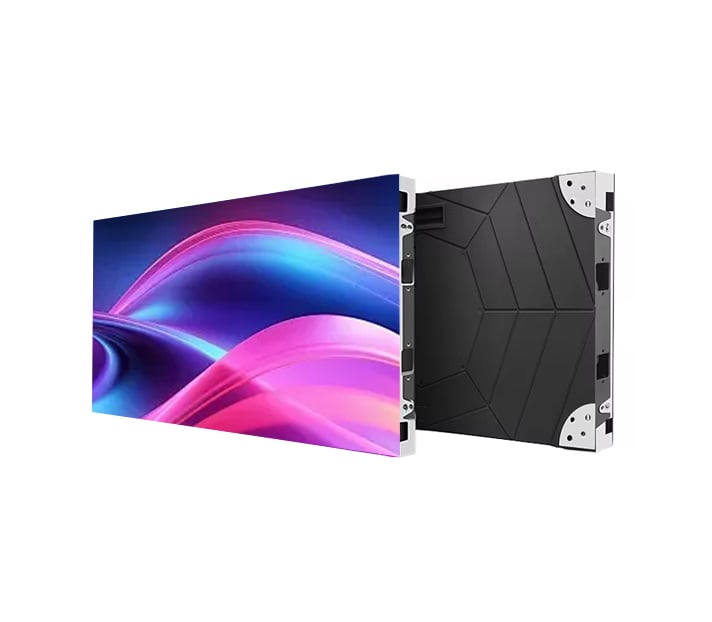
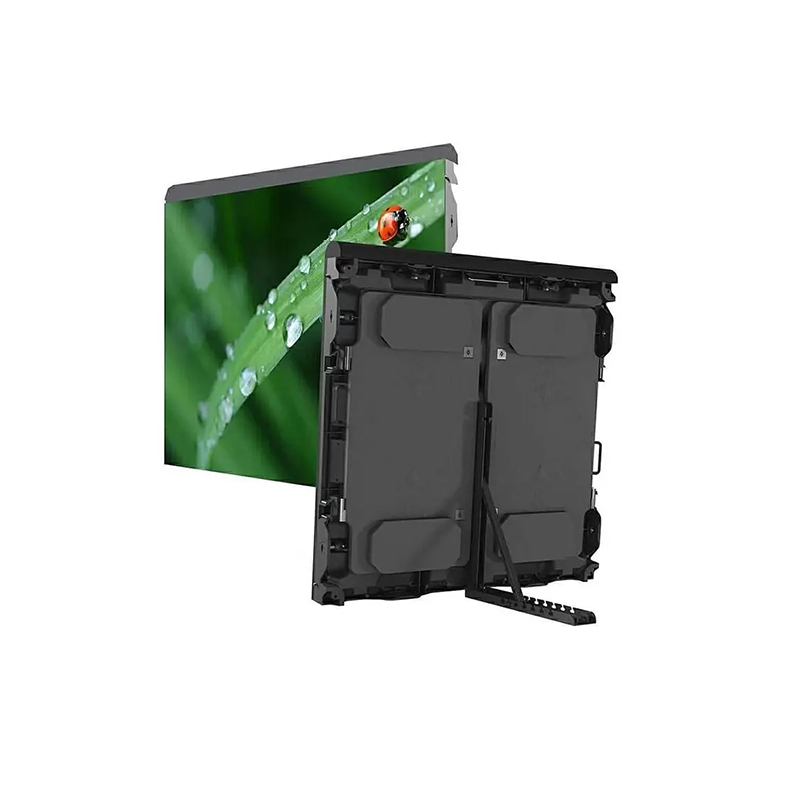
'n Hoog-kwaliteit buiteruimte LED-vertoning kan bly helder, duidelik en leesbaar selfs wanneer dit vir lang periodes na die son kyk. Lae-helderheid- of binne-skermte kan egter vinnig uitwas onder sterk sonskyn, wat die inhoud moeilik of onmoontlik om te sien maak.
In werklikheid hang sigbaarheid af van verskeie tegniese faktore, insluitend helderheid, kontras, anti-glinster-tegnologie, hitteafvoer en installasiehoek.
Vir buitelug-LED-vertonings bepaal die helderheid of kykers die inhoud werklik onder direkte sonskyn kan sien.
Hoe sterker die sonskyn, hoe hoër word die vereiste helderheid. Nykstandaarde aanvaar gewoonlik:
| Toepassings scenario | Aanbevole Helderheid |
|---|---|
| Minimum buitelugsigbaarheid | 4 500–5 000 nits |
| Tipiese direkte sonskynomgewings | 5 500–6 000 nits |
| Streke met hoë sonstraling | 7 500–8 000+ nits |
Vergelykingswyse verskaf die meeste binne-LED-vertonings slegs ongeveer 500–800 nits. Gevolglik word hulle buite amper onleesbaar.
Moderne buite-LED-oplossings van maatskappye soos Toosen kan helderheidsvlakke van tot 10 000 cd/m² bereik. Gevolglik lewer hierdie vertonings steeds skerp beelde en levendige kleure selfs onder intens dagligtoestande.
Helderheid alleen waarborg nie goeie sigbaarheid nie.
Selfs ’n baie helder skerm kan vaag voorkom as dit nie ’n voldoende kontras het nie. Daarom kombineer hoogwaardige buite-LED-vertonings gewoonlik hoë helderheid met gevorderde optiese tegnologieë.
Sleutelkenmerke sluit in:
As gevolg hiervan bly die skerm gemaklik om na te kyk gedurende die dag, terwyl dit ook buitensporige helderheid en kragverbruik snags verminder.
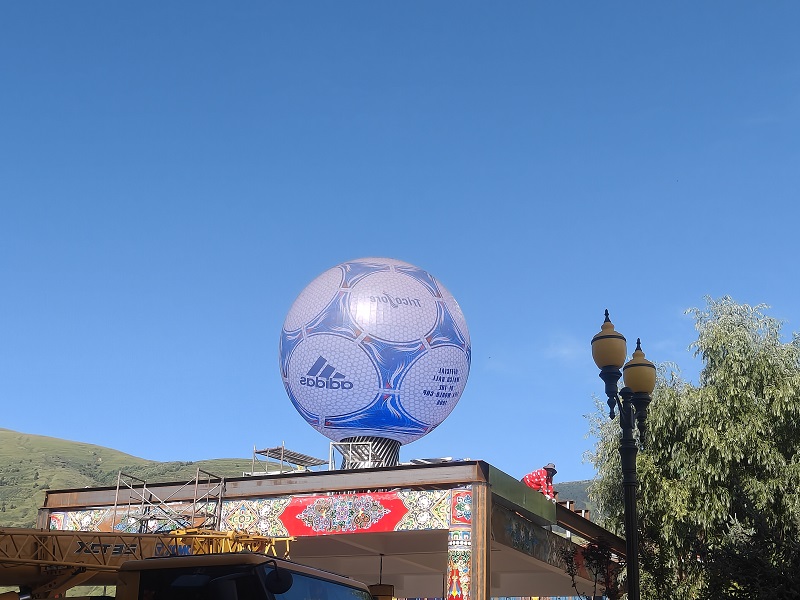
Wanneer 'n LED-skermskerm permanent na die son wys — veral by suidgerigte installasies — is sigbaarheid net een deel van die vergelyking.
Vervaardigers moet ook langtermynduurzaamheid en termiese stabiliteit aanspreek.
Voortdurende sonskyn verhoog die oppervlaktemperatuur beduidend. Sonder behoorlike verkoeling kan oormatige hitte:
Daarom word buitelug-onreëlmatige LED-vertonings dikwels gebruik met:
Ultravioletstraling beskadig stadig plastiek, coatings en elektroniese materiale.
Vir hierdie rede moet betroubare buitelug-LED-skermes die volgende kenmerke hê:
Hierdie beskermings help om langtermynprestasie in streng buitelomgewings te handhaaf.
Skermposisie beïnvloed ook leesbaarheid.
Byvoorbeeld, installasies wat na die weste wys, word dikwels deur ernstige middagglans benadeel. Terselfdertyd kan 'n ligte afwaartse kanteling van die skerm weerkaatsing verminder en die kykhoek verbeter.
Daarom bly professionele installasiebeplanning noodsaaklik vir langtermynbuitelugprestasie.
Die antwoord hang af van die skermspesifikasies en die gehalte van die installasie.
| Toestand | Sigbaarheidsresultaat |
|---|---|
| Buitenskerm met hoë helderheid van LED (5 500+ nits) met behoorlike verkoeling en anti-gly-ontwerp | Duidelik en leesbaar |
| LED-skerm met lae helderheid of vir binne-gebruik | Vervaag en moeilik om te lees |
| Langtermyn sonblootstelling sonder toereikende termiese beskerming | Aanvanklik sigbaar, maar prestasie verswak vinnig |
'n Onreëlmatige LED-skerm kan absoluut sigbaar bly onder direkte sonskyn — mits dit ware buitegraad-tegnologie gebruik.
In die meeste gevalle moet vervaardigers die volgende kombineer:
Sonder hierdie eienskappe kan die vertoon ly aan weerkaatsing, vervaagde kleure, oorverhitting of 'n verkorte leeftyd.
Daarom moet besighede wat buite-LED-installasies beplan, professionele buite-oplossings bo die aanpassing van binneskerm vir buitemilieus voorkeur verleen. 'n Behoorlik ontwerpte buite-LED-vertoon is nie net sigbaar in sonlig nie, maar lewer ook betroubare langtermynprestasie onder uitdagende toestande.
 EN
EN
 AR
AR
 BG
BG HR
HR
 CS
CS
 DA
DA
 NL
NL
 FI
FI FR
FR
 DE
DE EL
EL
 HI
HI
 IT
IT JA
JA
 KO
KO
 NO
NO PL
PL PT
PT RO
RO
 RU
RU
 ES
ES
 SV
SV
 TL
TL
 ID
ID
 SR
SR
 UK
UK VI
VI
 ET
ET
 HU
HU
 TH
TH
 TR
TR
 FA
FA
 AF
AF
 MS
MS
 GA
GA
 HY
HY
 AZ
AZ
 MN
MN
 UZ
UZ